Movers serving the San Fernando Valley
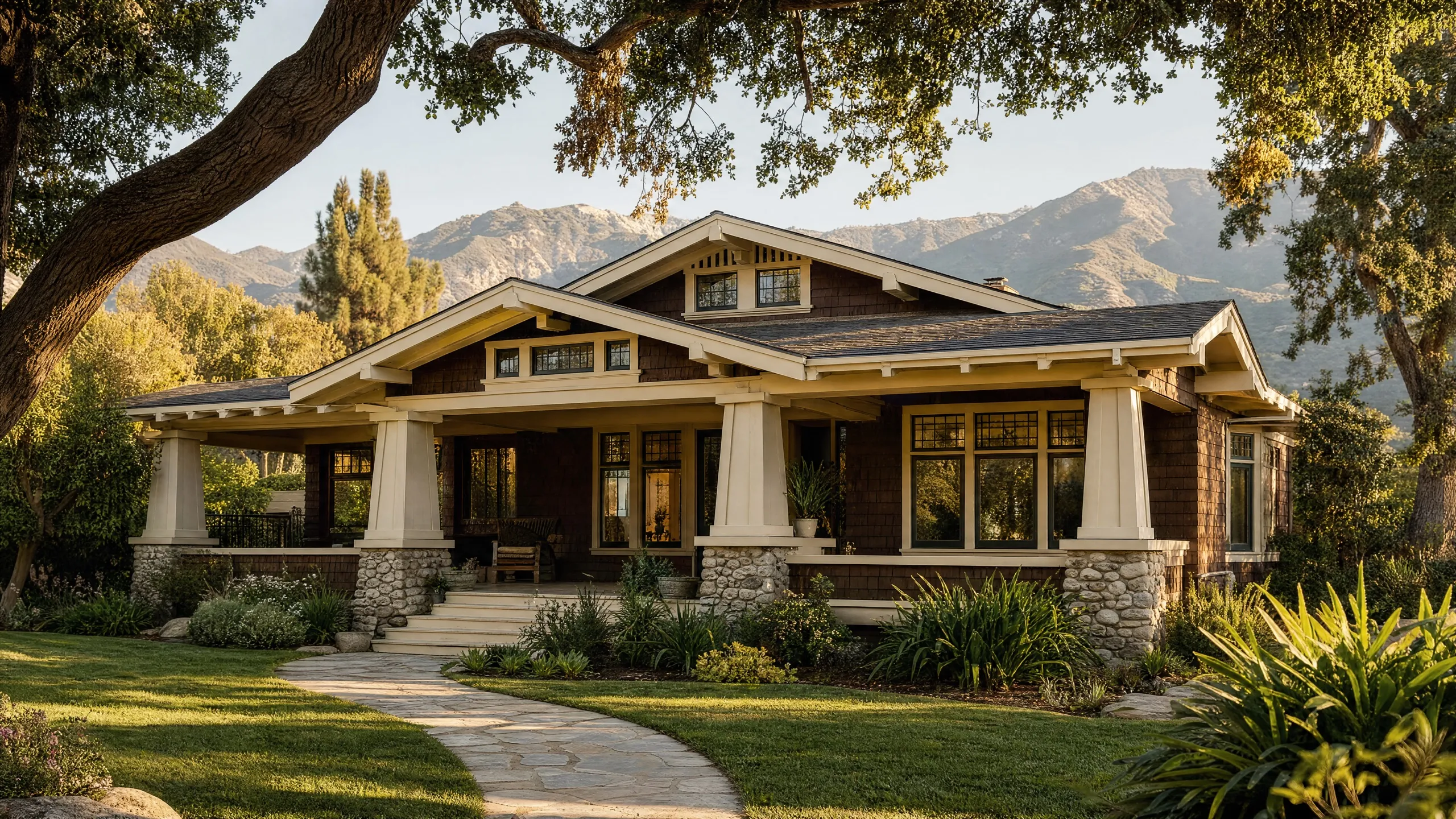
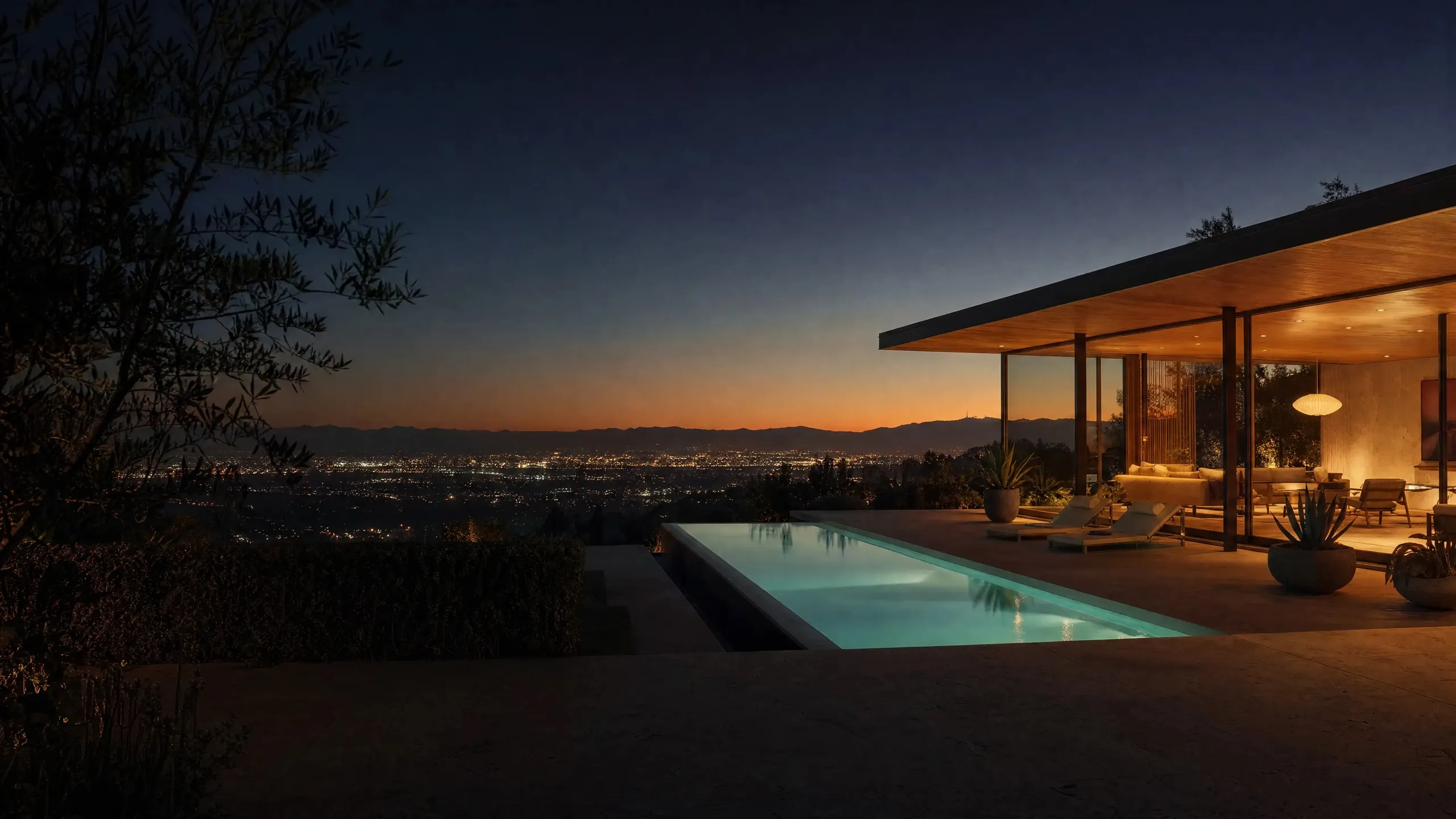
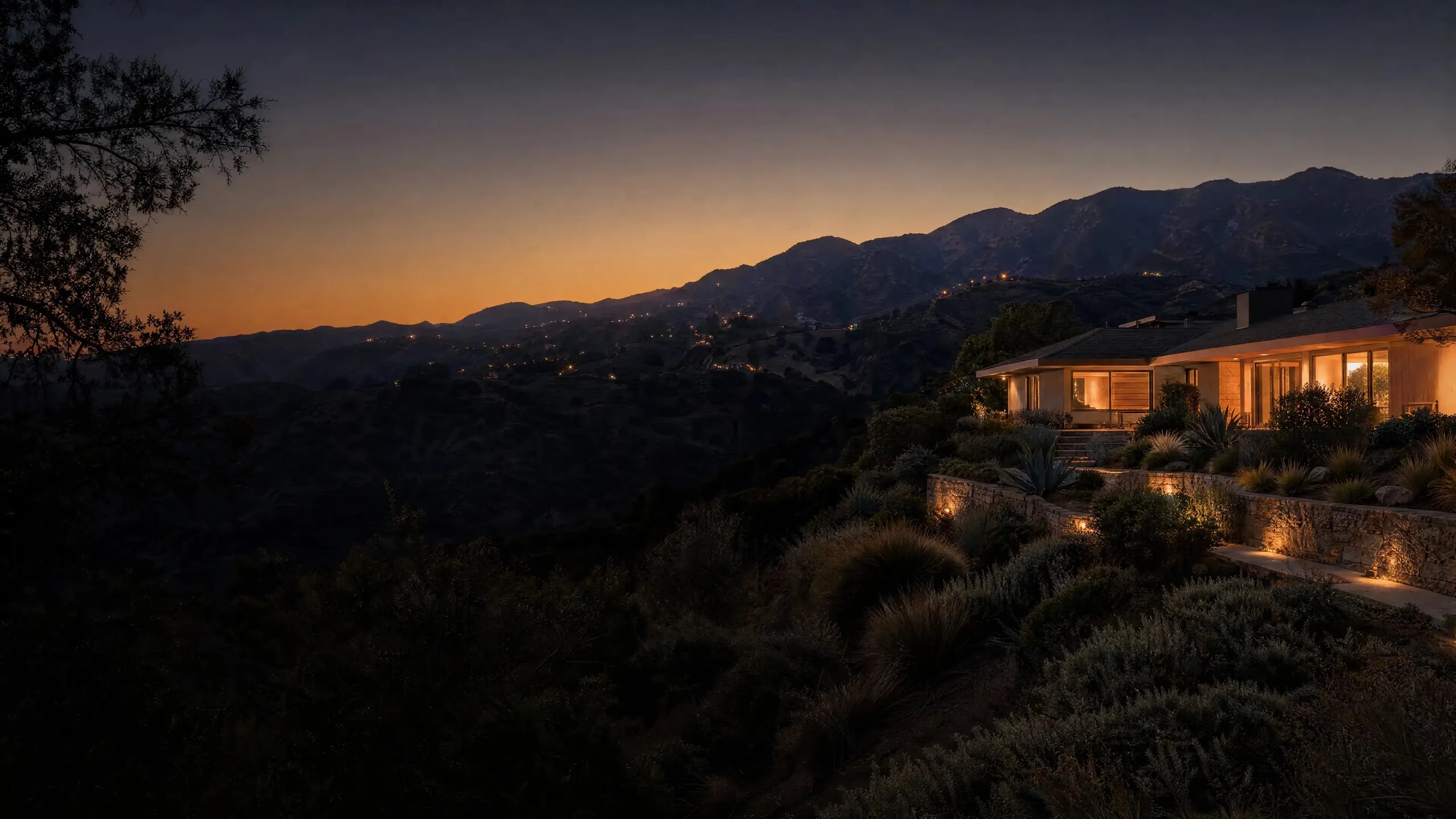
The San Fernando Valley is one valley with several rulebooks. Most of it is the City of Los Angeles, a string of neighborhoods from North Hollywood to Chatsworth where curb signs go through LADOT. Burbank, Glendale, San Fernando, Calabasas and Hidden Hills are cities of their own, and Universal City is unincorporated county land. A NoHo condo, a hillside home above Ventura Boulevard and a Chatsworth horse property all move differently, and Elite Moving & Storage plans each one from the address up.
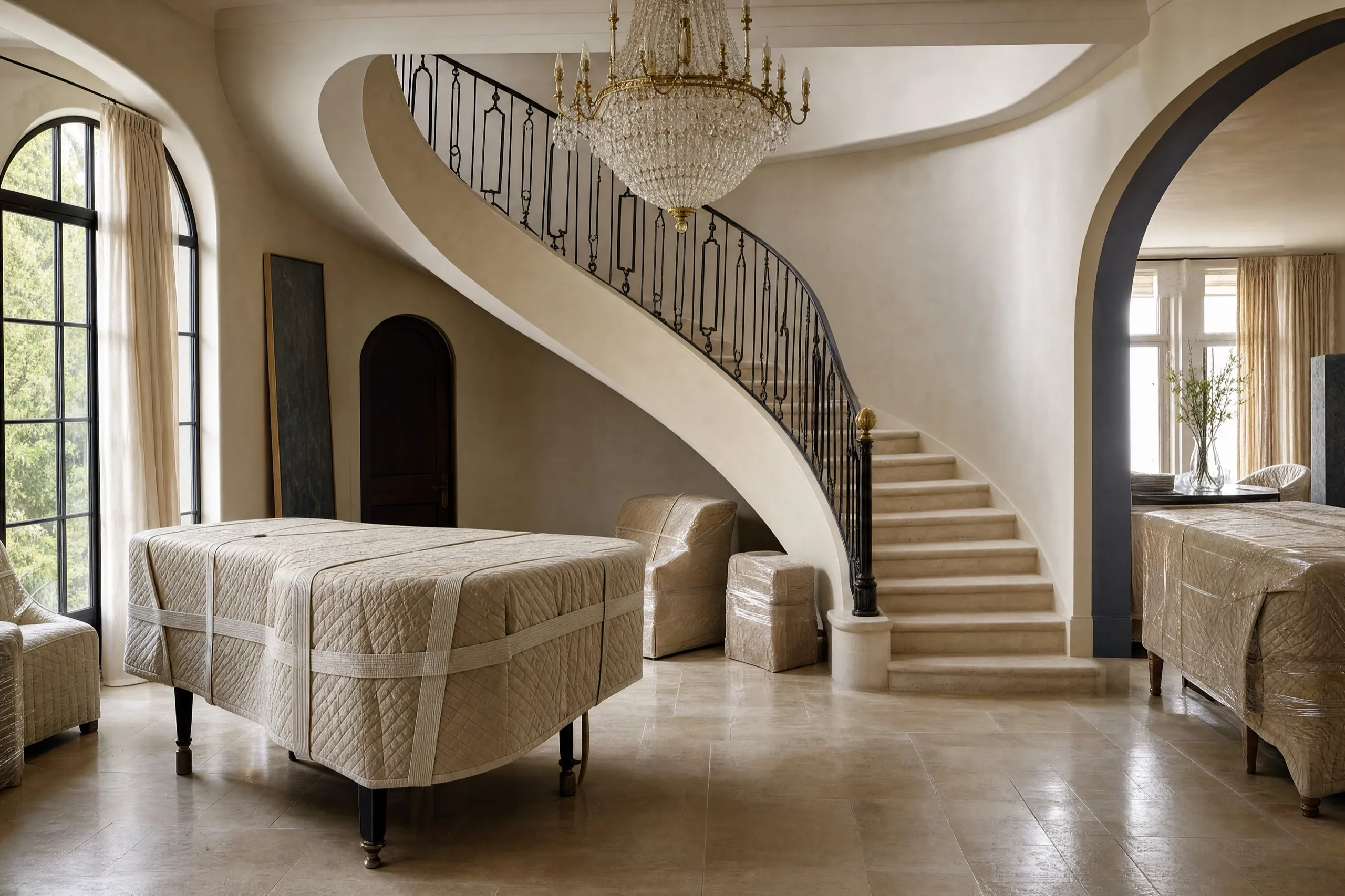
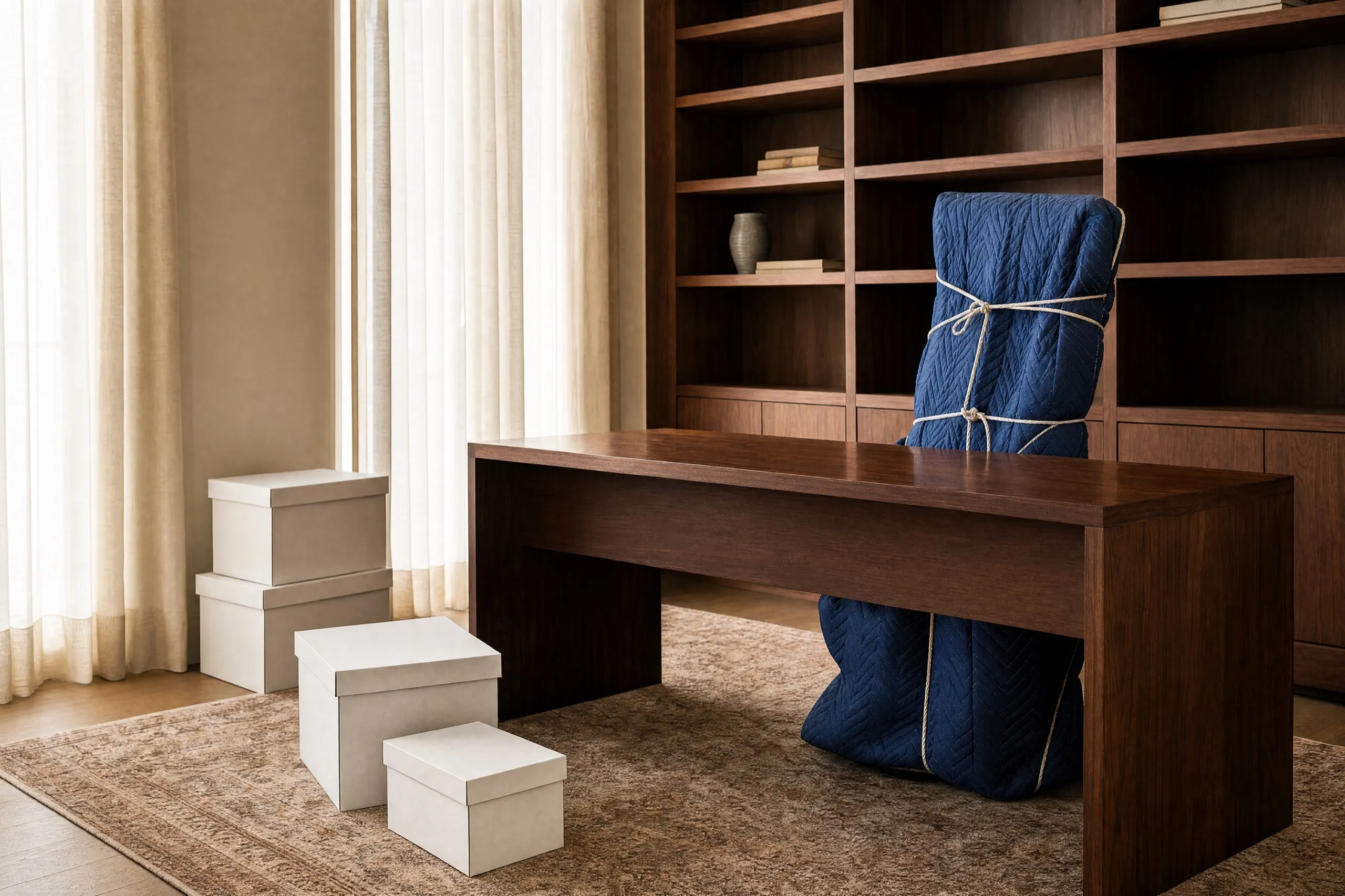
The private walkthrough, in person or by video, tells us whose rules govern each address, where the truck can park, whether a gate list or building certificate is needed and which pieces need custom crating. From it we write the itemized inventory and estimate that the white glove move is built on, down to where each piece is placed. If the dates between homes do not line up, storage between homes holds the load on the same inventory.
Several Valley communities have their own pages. In the south Valley, Encino, Sherman Oaks and Studio City climb from Ventura Boulevard into the Santa Monica Mountains, and Woodland Hills covers Tarzana and West Hills too. To the east, Burbank and Glendale are separate cities with their own permits. West of the Valley, see Calabasas and Hidden Hills, and over the Newhall Pass to the north, Santa Clarita and Valencia. The rest of the Valley follows below.
North Hollywood, Valley Village and Toluca Lake
In North Hollywood, the NoHo Arts District sits near the North Hollywood station at the northern end of the Metro B Line, and new high-density apartment buildings have gone up around it. Moving there means working to the building: we reserve the elevator and the loading zone or dock, keep to its hours and send management a certificate if it wants one. Every carton is labeled to its room.
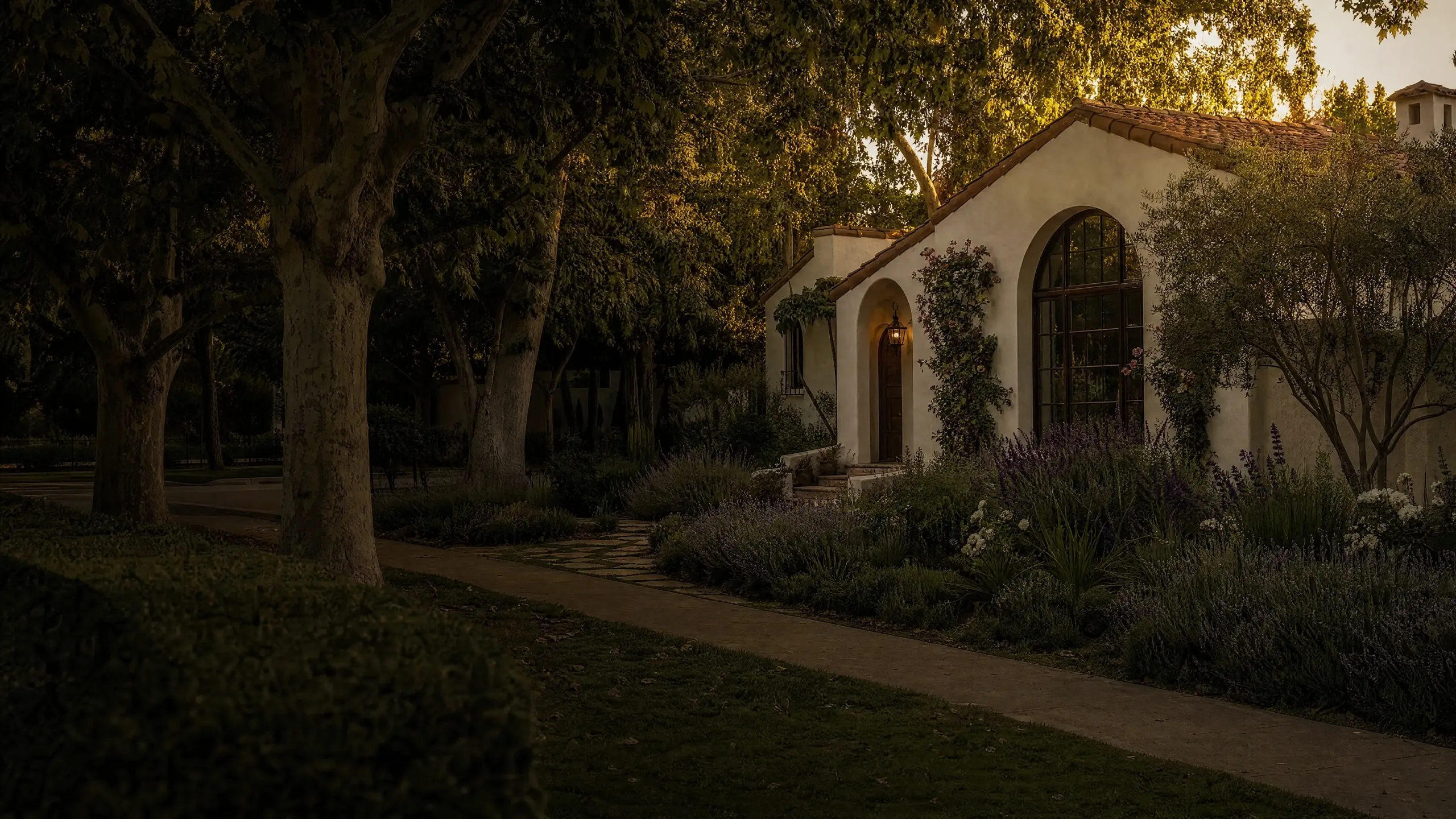
Valley Village, which split from North Hollywood in 1991, sits between Burbank Boulevard and the 101. Its side streets are mostly single-story Spanish and ranch houses, and its apartments line the main boulevards. Toluca Lake, on North Hollywood’s southern edge, is built around a private lake owned by the homeowners who surround it, and the neighborhood spills over from Los Angeles into Burbank, so the city line is the first thing we check. Universal City, just south of Toluca Lake, is unincorporated Los Angeles County. The 101, the 134 and the 170 meet at the Hollywood Split in North Hollywood.
Northridge, Porter Ranch and Granada Hills
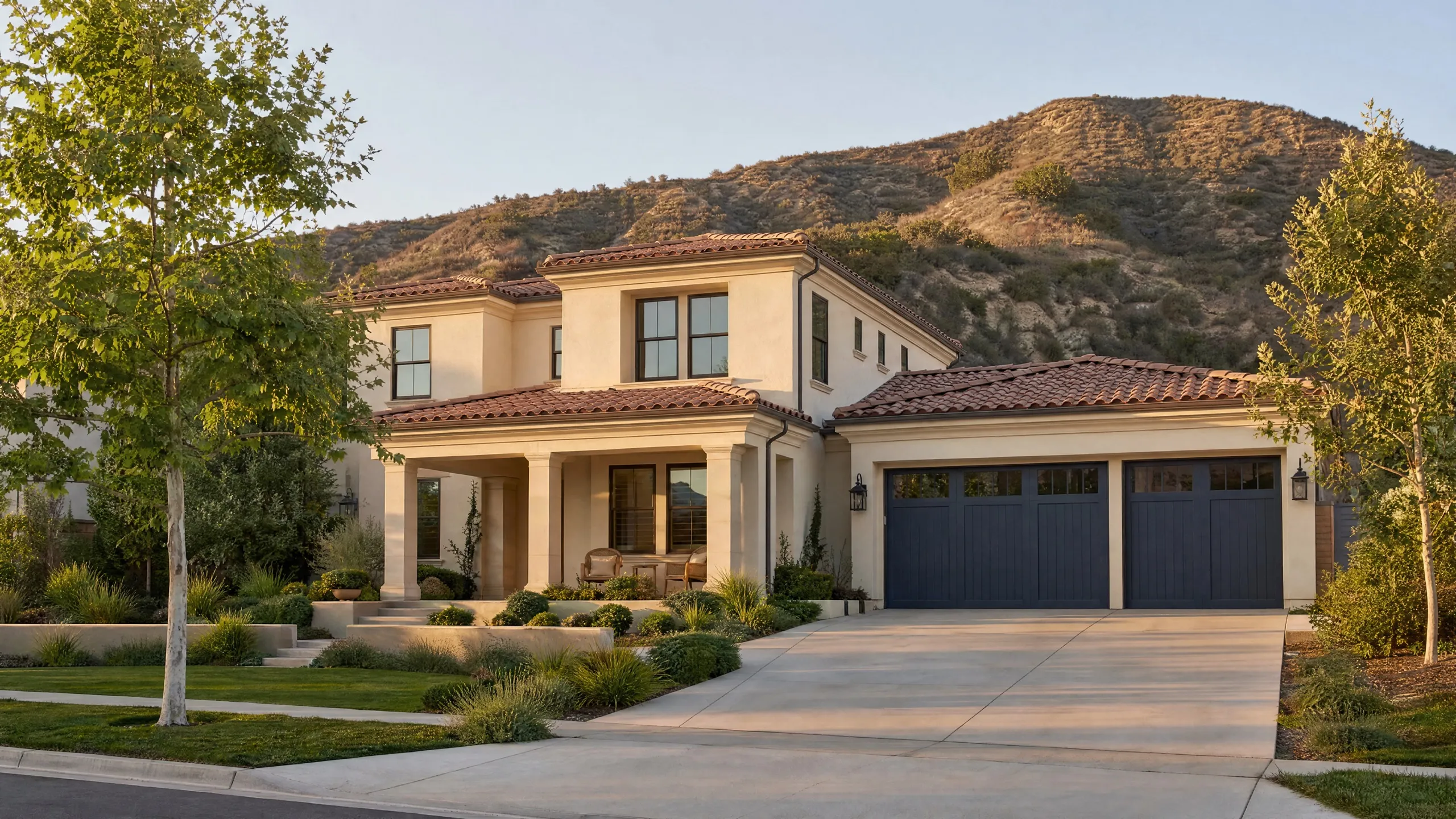
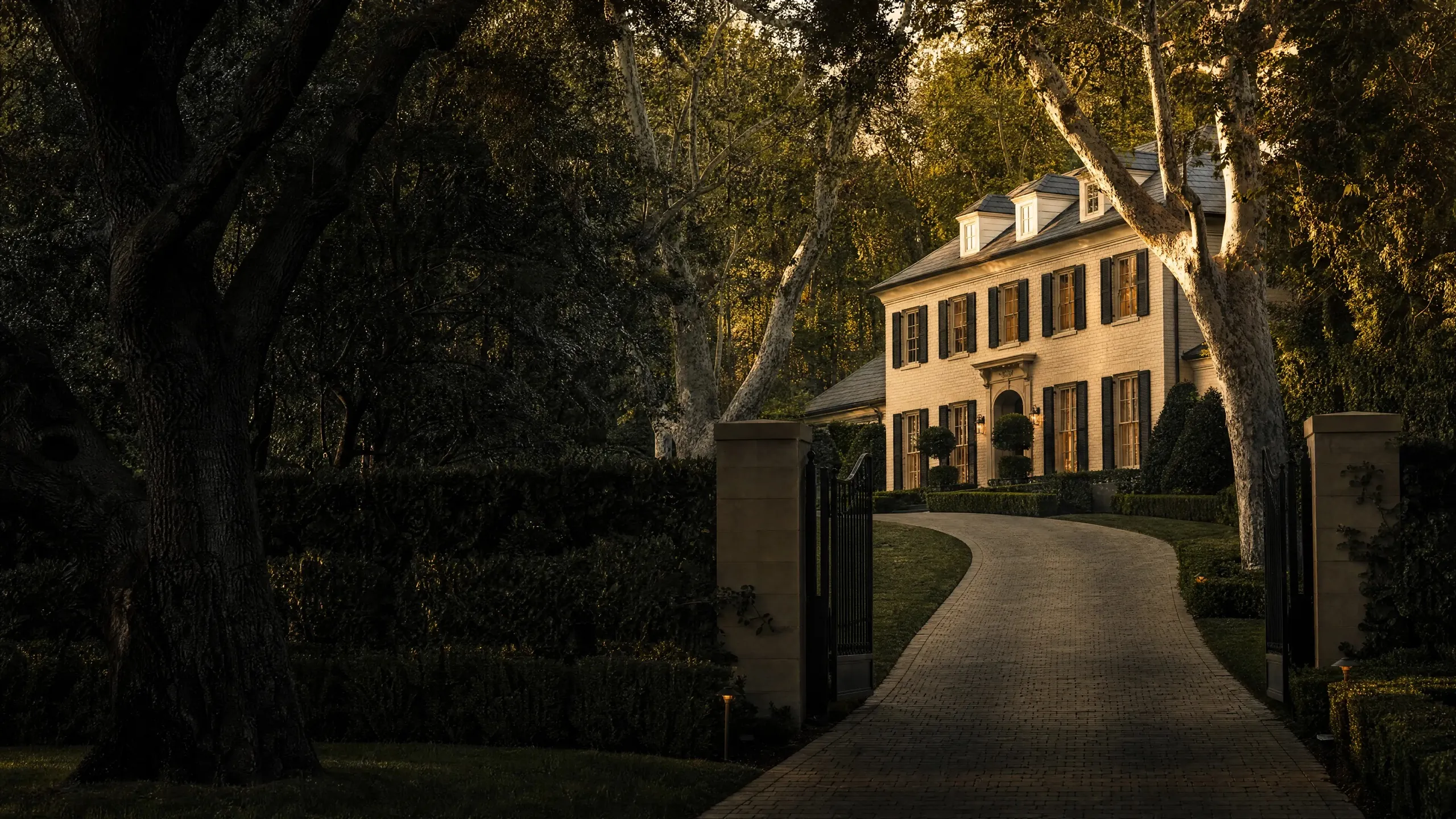
The northwest Valley rises toward the Santa Susana Mountains. Northridge, home to California State University, Northridge, was once known as the Horse Capital of the West, and after World War II its farm lots were subdivided into single-family tracts. North of it, Porter Ranch grew up the foothills along the 118 from the 1960s to the 2000s. Renaissance, a gated community at the neighborhood’s highest point, admits visitors only when their names are on a guest list.
Granada Hills holds Balboa Highlands, built by Joseph Eichler from 1962 to 1964 and the only Eichler development in Los Angeles County. In 2010 it became a City of Los Angeles Historic Preservation Overlay Zone, the first postwar neighborhood in the Valley to become a historic district. The houses open onto atriums through sliding glass doors, so we protect the glass and floors and plan the path through each room before anything is carried. Next door, Mission Hills was named for Mission San Fernando Rey de España, and the 405 meets the 118 there.
Van Nuys, Lake Balboa, Reseda and Tarzana
Van Nuys, annexed to Los Angeles in 1915, became the city’s Valley civic center with the 1932 Art Deco Valley Municipal Building, and Van Nuys Airport is one of the world’s busiest general aviation airports. About seven in ten households in its 91405 and 91411 ZIP codes rent, by the Census Bureau’s 2020 to 2024 survey, so many moves here run on building rules. In 2007 the City Council renamed a large part of Van Nuys as Lake Balboa, the neighborhood just north of the Sepulveda Basin.
Reseda Boulevard runs about 12 miles from Marvin Braude Mulholland Gateway Park in the Santa Monica Mountains, past the gated Mulholland Park community and El Caballero Country Club in Tarzana, across Reseda and Northridge to Porter Ranch. Tarzana’s hillside estates are covered on the Woodland Hills page.
Chatsworth, Canoga Park, West Hills and Winnetka
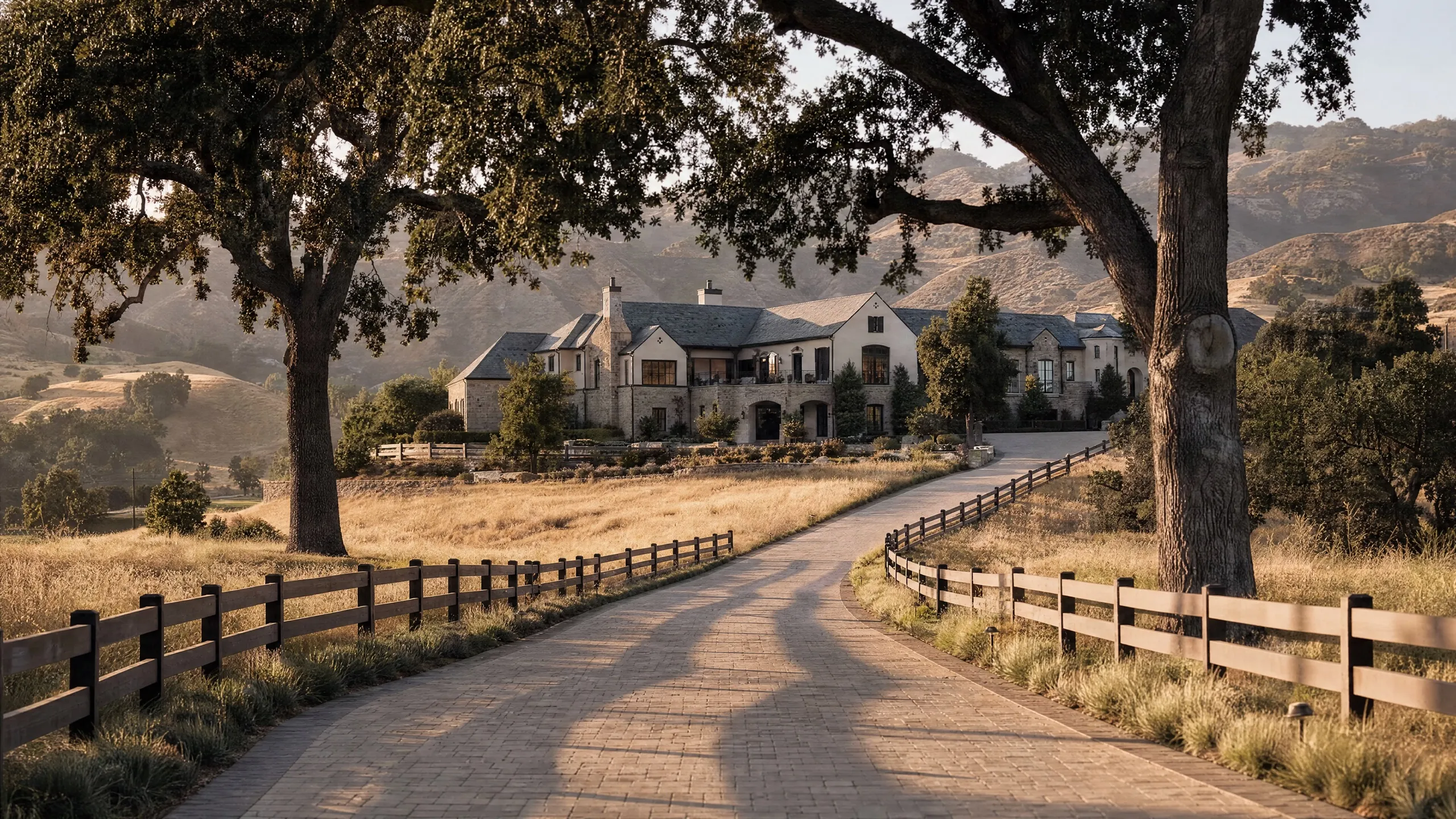
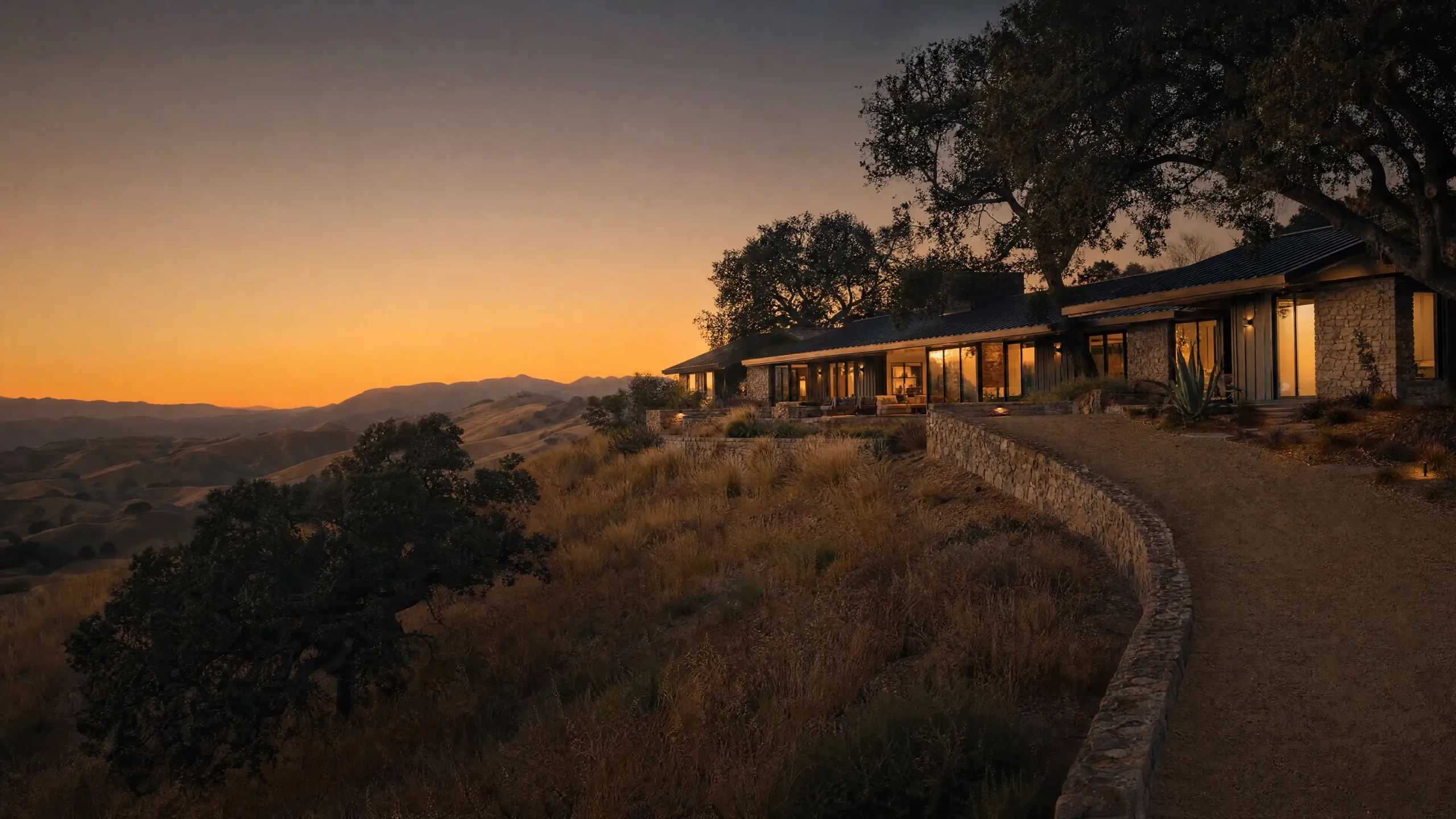
The northwest corner is where the Valley spreads out. Chatsworth, with the Santa Susana Mountains to the north and the Simi Hills to the south and west, has one of the lowest population densities in Los Angeles, and its parks carry miles of equestrian trails. Moving a Chatsworth property can mean emptying a barn, a tack room and a workshop along with the house. Winnetka began in 1920 as the Weeks Poultry Colony of one-acre egg farms.
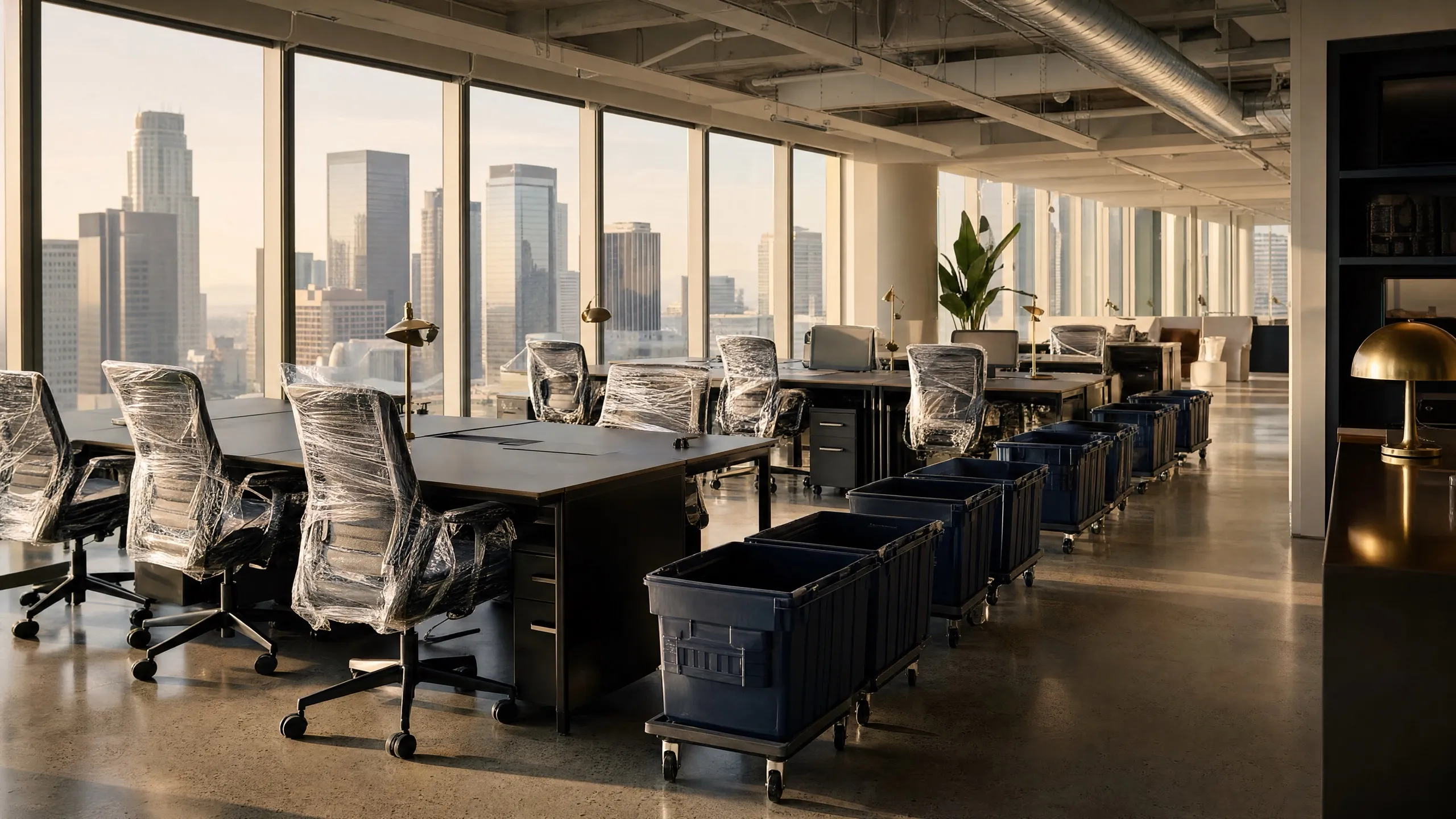
Canoga Park, founded as Owensmouth in 1912 and renamed in 1931, shares Warner Center with Woodland Hills. Its towers book freight elevators and docks through property management, and the Warner Center 2035 Plan, adopted in 2013, makes room for thousands of new homes around them; see office and commercial moving. West Hills, which split from it in 1987, is on the Woodland Hills page.
San Fernando, Sylmar and Sunland-Tujunga
At the north end of the Valley, the City of San Fernando is a city of its own: 2.4 square miles, incorporated in 1911 and completely surrounded by Los Angeles. Street and parking questions there go to San Fernando, not LADOT. Sylmar, the northernmost neighborhood of Los Angeles, has a long equestrian tradition, with corrals on large lots and the city’s Stetson Ranch Park, and the 5, the 210 and the 405 all run through it.
To the east, Sunland-Tujunga sits between the Verdugo Mountains and the San Gabriel Mountains along the 210, and Mount Lukens, within Tujunga, is the highest point in the City of Los Angeles. Parts of Sylmar, Sunland and Tujunga are in the city’s Very High Fire Hazard Severity Zone, so we check the address against the posted Red Flag streets and keep a fallback date during fire season.