Los Angeles

661-462-4944
Elite Moving & StorageLos Angeles
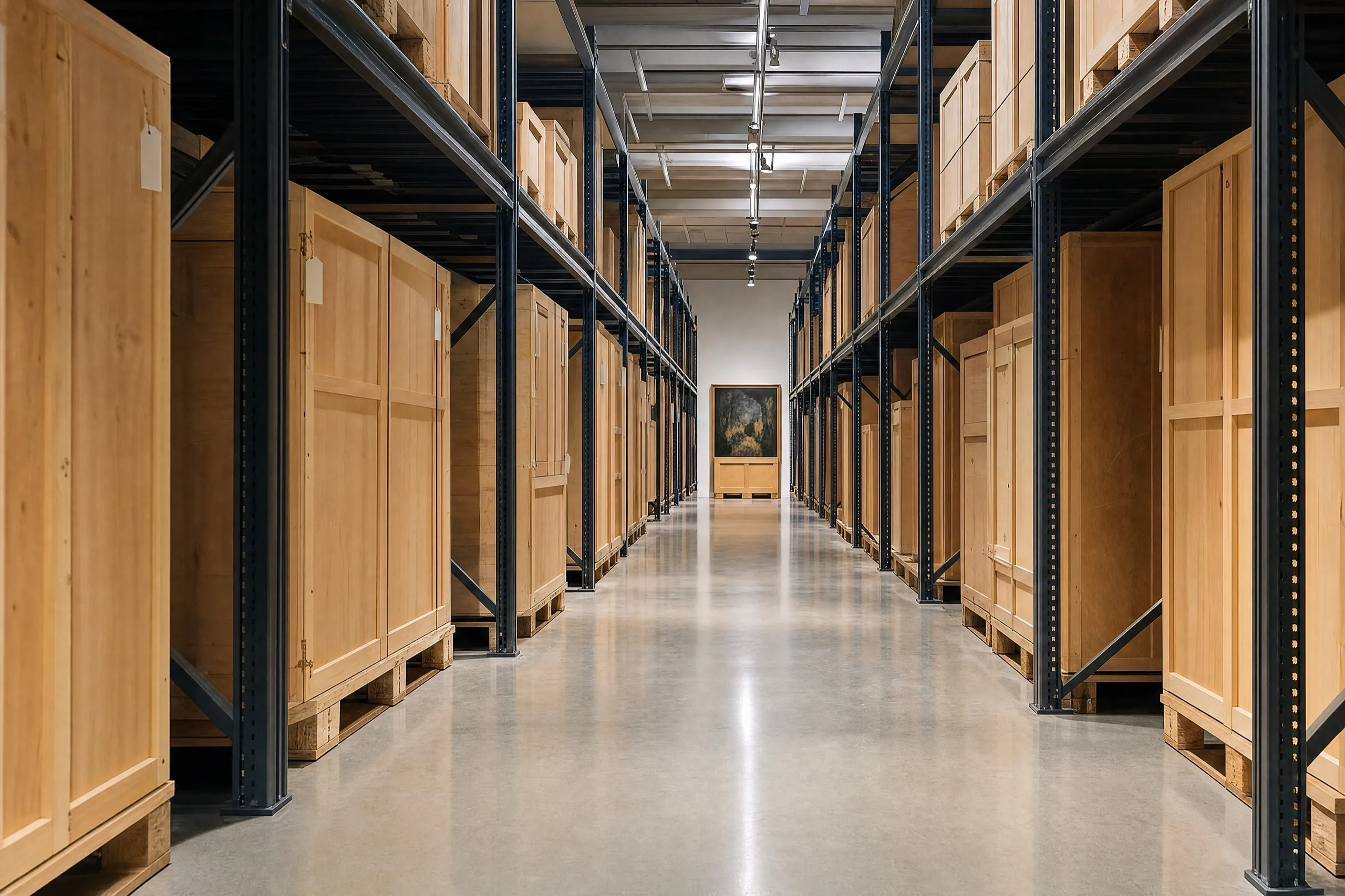
An aisle in a storage vault lined with steel racks holding pale wood crates with blank tags, above a polished grey floor.

Moving and storage

Moving and storage in Los Angeles

The short answer

Moving and storage in Los Angeles is a full-service arrangement: one company packs your belongings at home, stores them and delivers them when you are ready, so you never rent a unit or load a truck. Elite Moving & Storage packs, inventories, stores and returns furniture and household contents across Los Angeles and Southern California, between homes, through a remodel or for the long term.

What is included

What full-service storage includes

  • Packing and pickup

    Your belongings are packed, wrapped and loaded at home. There is no truck to rent, no unit to stack and no key to keep.

  • Itemized inventory with photos

    Everything that goes into storage is listed and photographed, so you always know what is stored and can ask for one piece by name.

  • Prepared for storage

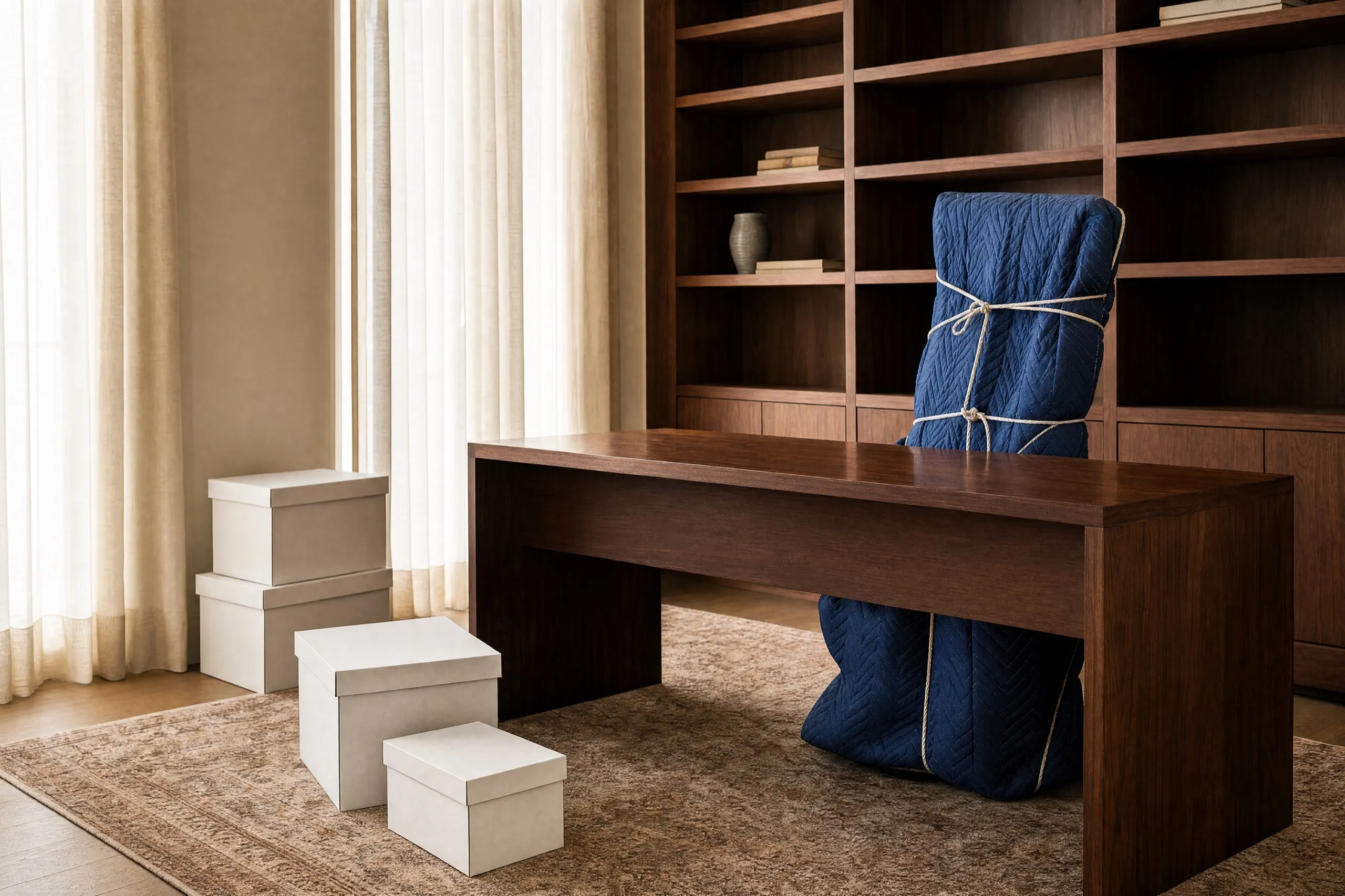
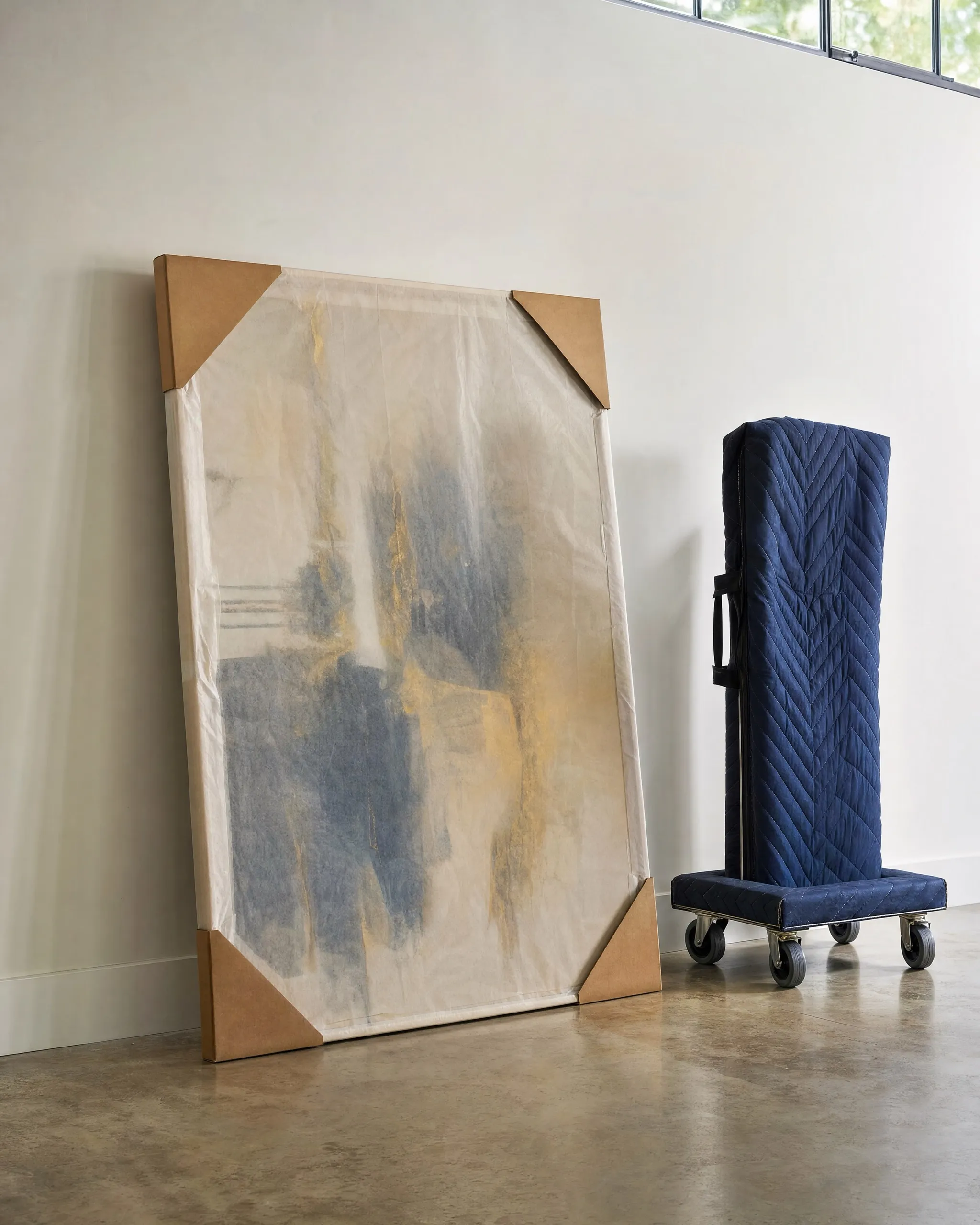
    Upholstery is covered, wood and lacquer are pad-wrapped, and mirrors, stone and glass tops can be crated before they are stored.

  • Climate control where it matters

    Fine furniture, art, pianos, leather and papers are flagged at the walkthrough and planned into storage that holds a steady temperature and humidity.

  • Single items on request

    Need one chair, one rug or one box of papers? It is found by its inventory entry, pulled from storage and delivered to you.

  • Delivery and placement

    When the new home or the finished room is ready, everything comes back, is unpacked and is placed to your floor plan.

Full-service storage vs self-storage

A self-storage unit is a rented room. You pack, rent a truck, load it, drive it, stack the unit, and come back with the key whenever you need something. Full-service storage turns that around. We pack and pick up at your home, record every item, store it, and bring back whatever you ask for.

  • No unit to rent or visit. One company is responsible from pickup to delivery.
  • An itemized inventory with photos, so you know what is stored and can ask for a single piece by name.
  • Delivery and placement, not a drop at the curb. Furniture comes back to the room it belongs in.

For a simple household with little of value, self-storage usually costs less. For fine furniture, art, or a house full of things you would rather not dig for in a stacked unit, full service is the better fit.

Furniture and long-term storage in Los Angeles

Long-term storage in Los Angeles usually follows a change in life: a sale before the next home is found, a year abroad, a second home being furnished, or an estate being settled while the family decides what to keep.

Furniture storage works best when pieces are prepared for it. Upholstery is covered against dust, wood and lacquer are pad-wrapped, mirrors and stone or glass tops can be crated, and nothing heavy is stacked on anything fragile. Beds and large case pieces are taken apart, with their hardware bagged and labeled, so they go back together correctly.

Storage during a renovation or remodel

A remodel is hard on furniture. Dust gets into upholstery, paint and plaster find their way onto wood, and pieces pushed into one room get scraped by the trades working around them. Storage during a renovation takes the contents of the affected rooms, or the whole house, off site for the length of the project.

Temporary storage during a renovation follows a simple plan:

  1. We walk the home with you, and your designer or contractor, and agree what leaves and what stays.
  2. Rooms are packed and removed before the start date.
  3. Everything is inventoried and stored while the work is done.
  4. As rooms are finished, everything is delivered and placed to plan, often in stages.

Storage between homes

Closing dates rarely line up. When you have to be out of one home before the next is ready, storage-in-transit bridges the gap. Your belongings are packed and loaded once, held for the days or weeks between closings, and delivered to the new home without a second company unloading and reloading them. For the move itself, see white glove moving. When an employer is paying for the move, check the relocation policy early, because many cap the storage days they cover.

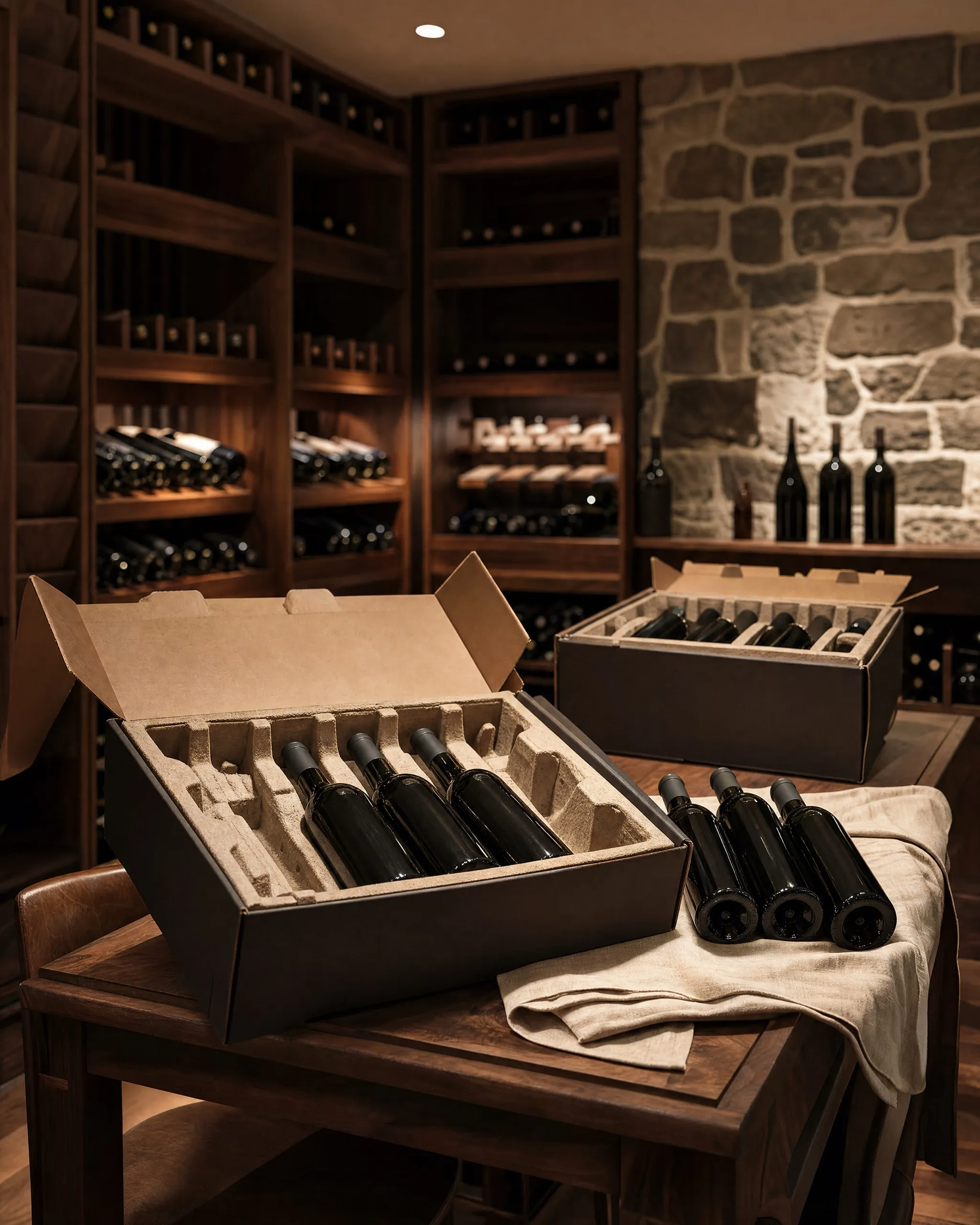
Climate-controlled storage in Los Angeles for furniture, art and wine

Southern California is hard on stored belongings in two directions. Inland valleys such as the San Fernando and Santa Clarita valleys regularly pass 100°F in summer, and along the coast, marine air keeps humidity up for much of the year. Wood, veneer, leather, canvas, paper, pianos and wine all react to heat and humidity swings: wood cracks, veneers lift, paint and canvas move, and mold starts on paper and upholstery. Climate-controlled storage holds temperature and humidity in a steady range to prevent that.

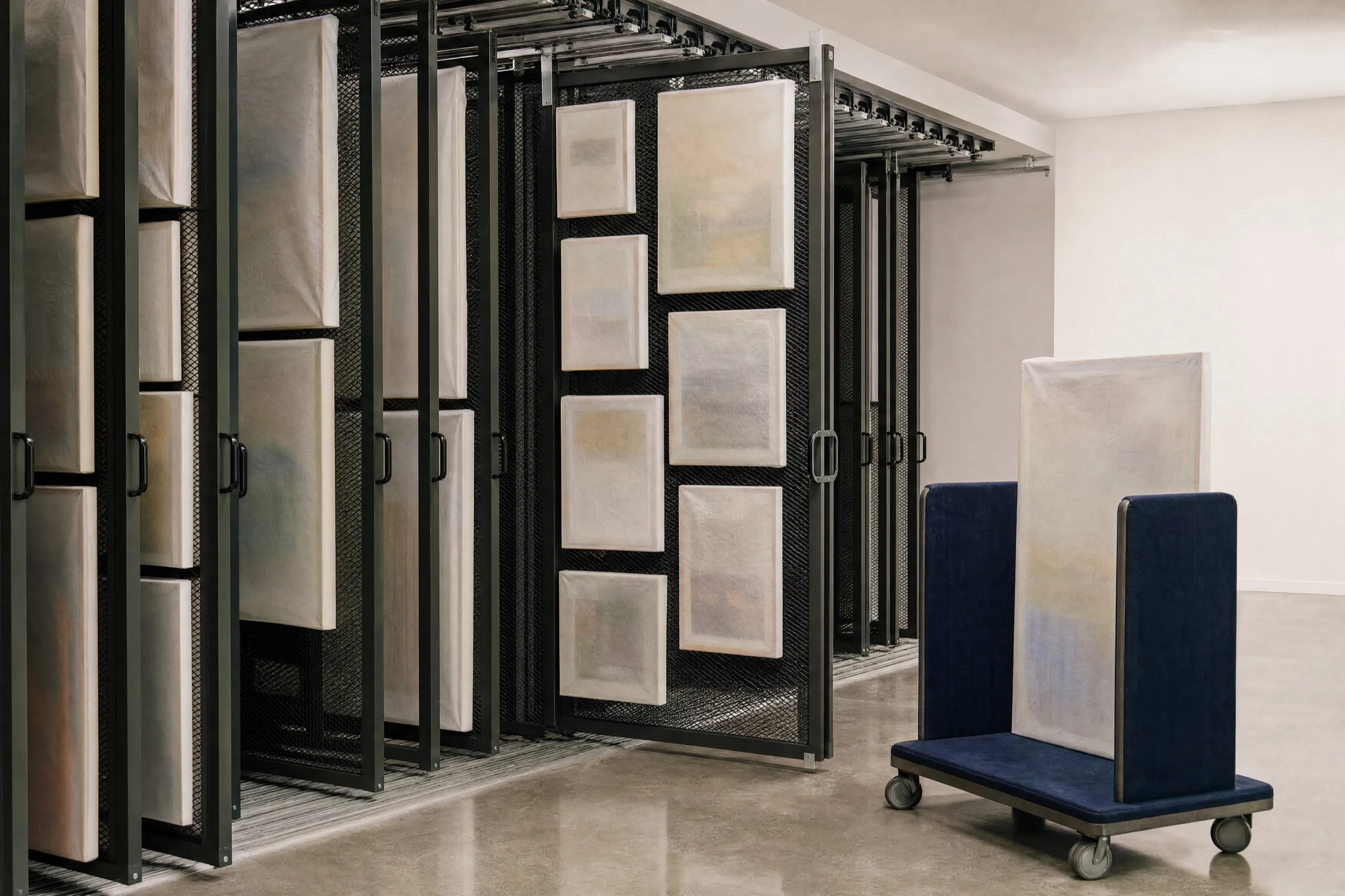
At the walkthrough, we note which pieces need climate control and plan their storage around it. Collections ask for more: wine storage covers cellar conditions and wine cellar moves, and fine art storage covers racks, crating and condition reports.

Moving and storage in Orange County, and for businesses

The same service runs across Orange County, from coastal remodels in Newport Beach and Laguna Beach to new homes in Irvine that are finished and furnished in stages. See movers in Orange County for how we plan moves there.

Businesses use storage too. Office moves often need furniture, equipment and records held while a buildout finishes, then delivered in phases. For event and production moves, furniture, decor and staging can be held between events and brought out for the next one.

How to choose a moving and storage company in Los Angeles

  1. Look up the CAL-T number at bhgs.dca.ca.gov. Every California household mover needs one from the Bureau of Household Goods and Services, and should give it to you on the first call.
  2. Ask where your belongings will be stored and who can access them.
  3. Insist on an itemized inventory, ideally with photos, before anything leaves the house.
  4. Read the storage agreement, including billing, minimum term, how retrieval works and the liability terms while goods are stored.
  5. Ask about climate control for the pieces that need it, and get it in writing.

How it works

Six steps, planned in writing

See the full process
  1. 01

    Private walkthrough

    We walk the home or office with you, in person or by video, and note every piece that needs special handling.

  2. 02

    Written inventory and plan

    You receive an itemized inventory, a crating list for art and fragile pieces, a crew and truck plan, and a written estimate.

  3. 03

    Building and HOA coordination

    We handle certificates of insurance, loading dock and elevator reservations, gate access and any street parking permits the move needs.

  4. 04

    Protection and packing

    Floors, doorways and railings are protected first. Furniture is wrapped, fragile pieces are packed with the right materials, crates are built for pieces that need them, and every box is labeled by room.

  5. 05

    Placement to plan

    Furniture is placed to your floor plan, beds are assembled, art is staged by the wall it belongs on, and packing debris leaves with the crew.

  6. 06

    Follow-up

    We check in once you have settled, to handle anything that needs adjusting, hanging or returning to storage.

Questions

Moving and storage questions, answered

What is the best moving and storage company in Los Angeles?

The best moving and storage company for you holds a valid CAL-T permit, which you can check at bhgs.dca.ca.gov, sees your home before quoting, and gives you a written estimate and a written storage agreement. It should also give you an itemized inventory of what is stored, explain how to get items back, and offer climate control for the pieces that need it.

What is the difference between full-service storage and a storage unit?

With a storage unit, you rent a room, then pack, load, drive and stack everything yourself, and return in person whenever you need something. With full-service storage, the moving company packs and picks up at your home, inventories every item, stores it and delivers whatever you ask for, down to a single chair. Self-storage usually costs less for simple household goods. Full service suits fine furniture, art and busy households.

How much does moving and storage cost in Los Angeles?

Moving and storage is priced in two parts. The move is quoted after a walkthrough, based on volume, packing, crating and access at the home. Storage is billed monthly, usually by the space or weight your belongings take up, with climate control, handling and deliveries out of storage priced on top. A written estimate after seeing your home is the only reliable number, because volume and fragile pieces drive the cost.

Should I use a moving company or a portable storage container?

A portable container works for simple moves where you are happy to pack and load it yourself, and where a container can legally sit in your driveway or street for days. Many HOAs and some cities restrict that. A moving company packs, loads, inventories and stores for you, then delivers and places everything, which suits larger homes and anything fragile or valuable.

Is climate-controlled storage worth it in Los Angeles?

For fine furniture, art, wine, pianos, leather, photographs and documents, usually yes. Inland valleys such as the San Fernando and Santa Clarita valleys regularly pass 100°F in summer, and coastal homes live with marine humidity. Heat and humidity swings crack wood, lift veneers, move canvas and encourage mold. For everyday furniture and boxed household goods stored briefly, standard storage is usually fine.

How does storage during a renovation work?

Storage during a renovation starts with a walkthrough to agree what leaves the house and what stays. The affected rooms, or the whole home, are packed and removed before work starts, then inventoried and stored for the length of the project. When rooms are finished, everything is delivered and placed to plan, often in stages as each room is completed.

How long can I keep my belongings in storage?

Storage can last a few days between closings, a few months during a remodel, or several years while you live abroad or settle an estate. The written storage agreement sets the term, billing and access rules. Renovation schedules often slip, so before you start, ask how storage is billed if the project runs longer than planned.

Are my belongings protected while they are in storage?

Ask for the terms in writing before anything leaves your home. For moves within California, a mover's basic liability is 60 cents per pound per article, which rarely covers fine furniture or art. Storage that is not part of a move is governed by its own storage agreement, which sets its own liability terms. List high-value pieces on the inventory, and ask your homeowner's insurer whether it covers belongings held in storage.

Related

Often planned together

Request a quote

Plan your move with a private walkthrough

Tell us what is moving and when. We will arrange a walkthrough, in person or by video, and send a written plan and estimate.