Professional wine cellar storage for private collections
Most wine storage facilities in Los Angeles are built around private lockers in a temperature-controlled building. They suit collectors who like to visit, browse and pull bottles in person. They are not built around the move that usually brings a collection to storage in the first place: a house sold before the next one is ready, a cellar being rebuilt, or a remodel that takes the wine room out of use.
That is where professional wine cellar storage from your mover fits. The collection is packed properly at home, recorded bottle by bottle, stored, and brought back to the cellar in the order it left. Elite Moving & Storage handles wine as part of the household: the team that plans the move of your home plans the move of your cellar, and the wine is stored with its inventory, not as a stack of anonymous boxes. When you want a case for a dinner, or the whole collection back in a finished cellar, it is delivered and unpacked into your racks.
What good wine storage looks like
The standards for storing wine are well established, and any wine storage facility in Los Angeles worth using should meet them:
- About 55°F. Cooler slows aging and warmer speeds it up. Stability matters more than the exact number, because repeated swings make wine expand and contract and can push it past the cork.
- Humidity around 60 to 70 percent. Too dry and corks shrink and let air in. Too damp and labels mold, which matters when a bottle is sold.
- Darkness. Ultraviolet light degrades wine, which is why cellars are dim and bottles are tinted.
- Stillness. Constant vibration disturbs sediment and is widely thought to affect how wine ages.
- Bottles on their sides. Cork-sealed bottles lie flat so the wine keeps the cork moist.
Before a bottle leaves your cellar, the conditions it will be stored in and the storage terms are set out in writing.
Wine cellar movers: moving a collection between cellars
A wine cellar move is a small logistics project inside a larger one. Good wine cellar movers think about inventory, packing, heat and timing in a way a general crew does not.
- Inventory first. Before a bottle moves, the collection is recorded by producer, vintage, format and count, with the rack or bin each bottle came from, so it can go back the same way.
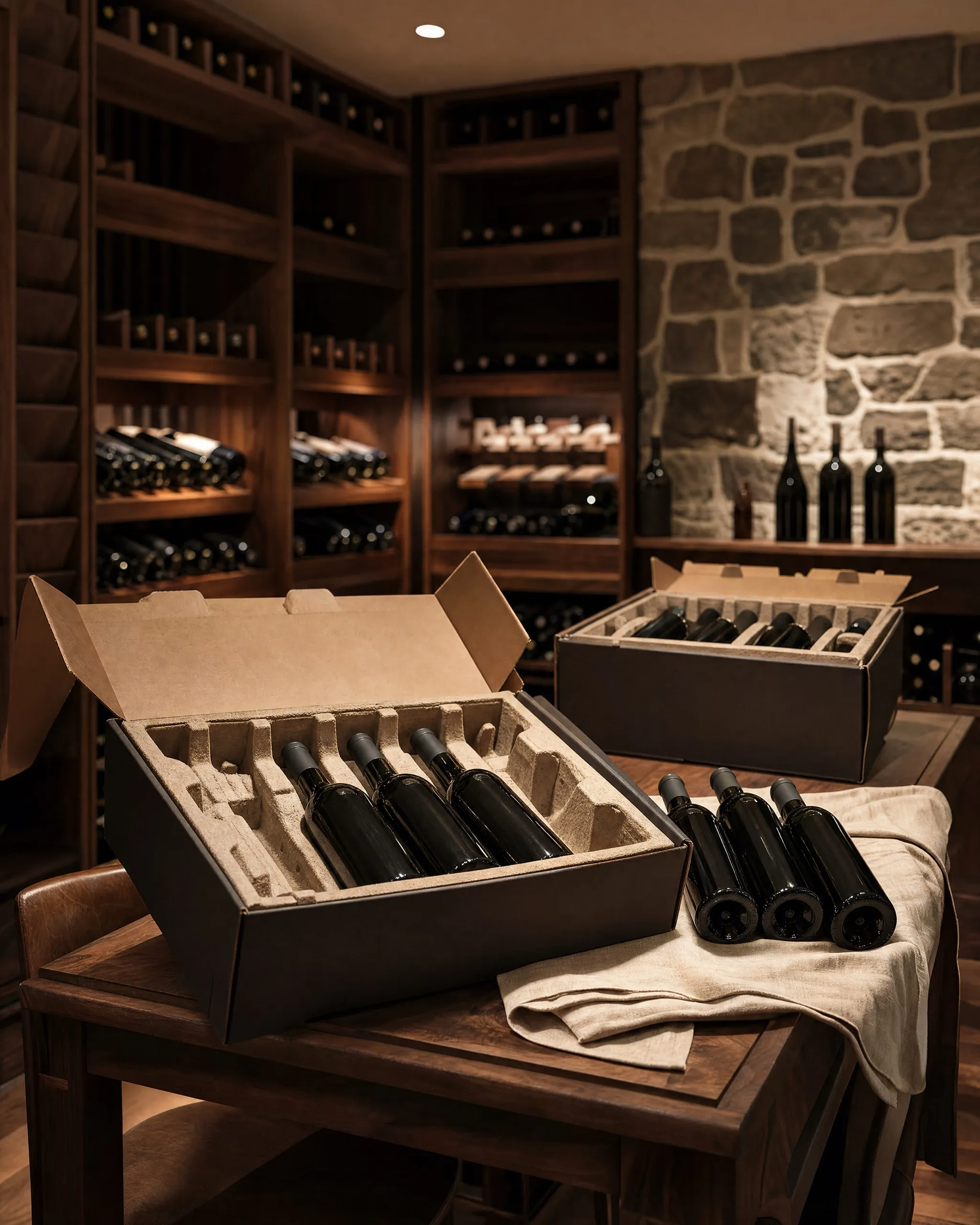
- Pack in wine shippers. Bottles travel in cartons with molded pulp or foam inserts that keep glass from touching glass. Magnums and larger formats get packing sized for them.
- Mark what matters. Each carton is labeled with its contents and destination bin, and the most valuable bottles are listed separately, so everyone knows which cartons hold them.
- Move cool and direct. Wine is loaded last and unloaded first, scheduled for the cooler part of the day, and taken straight to the new cellar or into storage.
- Unpack to the racks. At the new home, bottles go back into the racks by the inventory, not into a pile of cartons in the garage.
Freestanding wine refrigerators and cabinets move too. They travel upright and, like any refrigerator, stand for a while before being switched back on. If the new cellar is still being built, which is common, the collection goes into storage and comes back once the room is finished and holding temperature.
Heat, timing and travel shock
Heat is the main risk in a Southern California wine move. A closed truck in the San Fernando Valley in August can get far hotter than the air outside, and wine that gets hot ages quickly and can be permanently damaged. Pushed-up corks and sticky, seeping capsules are the usual signs. That is why summer wine moves start early and wine never waits in a parked truck.
After the move, give the wine time. Bottles that have just traveled can taste muted or disjointed for a while, often called travel shock or bottle shock. The usual advice is to let wine rest for a week or two before opening anything special, and longer for older wines with sediment, which needs time to settle again.
Bottle-level inventory and valuation
An inventory protects a collection twice. It tells you exactly what you own, and it tells everyone involved in the move what is in each carton. For wine, the inventory lists every bottle by producer, vintage, format and count, and flags the bottles that carry real value.
It also matters for valuation. California sets a mover’s basic liability at 60 cents per pound per article, a figure designed for household goods, not fine wine: on a case weighing about 40 pounds, it comes to about $24, whatever the labels say. Before move day, we explain the higher valuation options in writing and list high-value bottles on the inventory. Once the wine is in storage, the storage agreement sets its own liability terms, so read those too. Many collectors also schedule their wine on a separate collectibles or fine wine policy. If yours is, tell your insurer where the collection will be while it is moved and stored.
How to choose the best wine storage in Los Angeles
The best wine storage in Los Angeles depends on how you use your collection. Collectors who like to visit, browse and pull bottles themselves often choose one of the wine storage facilities in Los Angeles that rent private lockers. Collectors who would rather have the wine packed, moved, stored and delivered for them are better served by full-service storage. Either way, ask the same questions:
- What temperature and humidity is the space held at, and how is it monitored?
- Is the collection recorded by bottle, or only by case?
- How do I get a case or a single bottle back, and how quickly?
- Who packs and transports the wine, and how is heat managed in summer?
- What are the valuation terms while the wine is stored, and are they in writing?
Wine storage during a remodel or a move between homes
Wine is rarely the only thing leaving the house, so the cellar is planned with everything else rather than handled as an afterthought. On a remodel, the bottles leave before the trades arrive, because dust, vibration and a cooling unit switched off for the work are all hard on wine. On a sale, the collection can go from the old cellar straight into storage and wait there for the next one, whether it is leaving a Bel Air estate or a coastal home in Newport Beach.
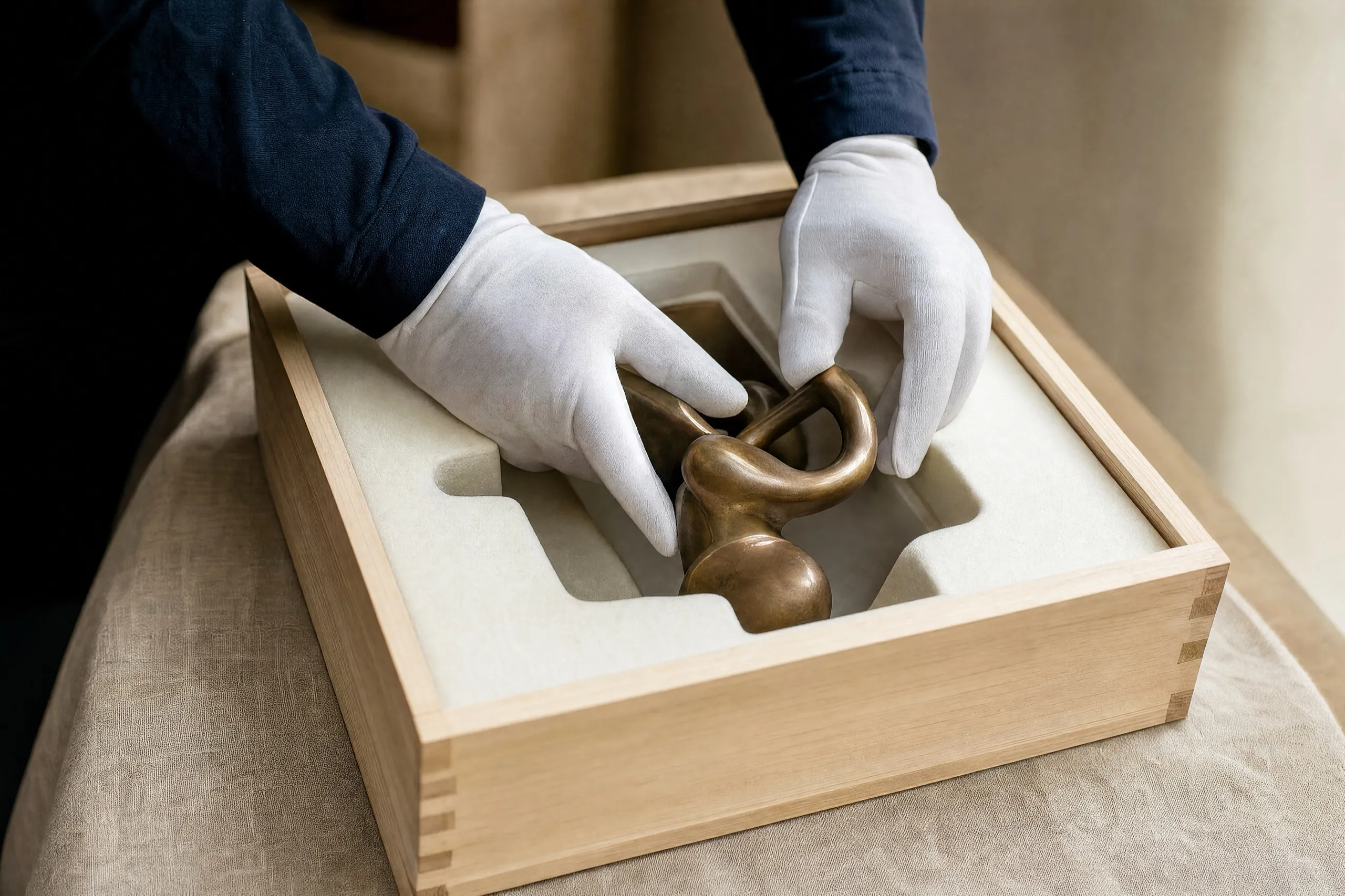
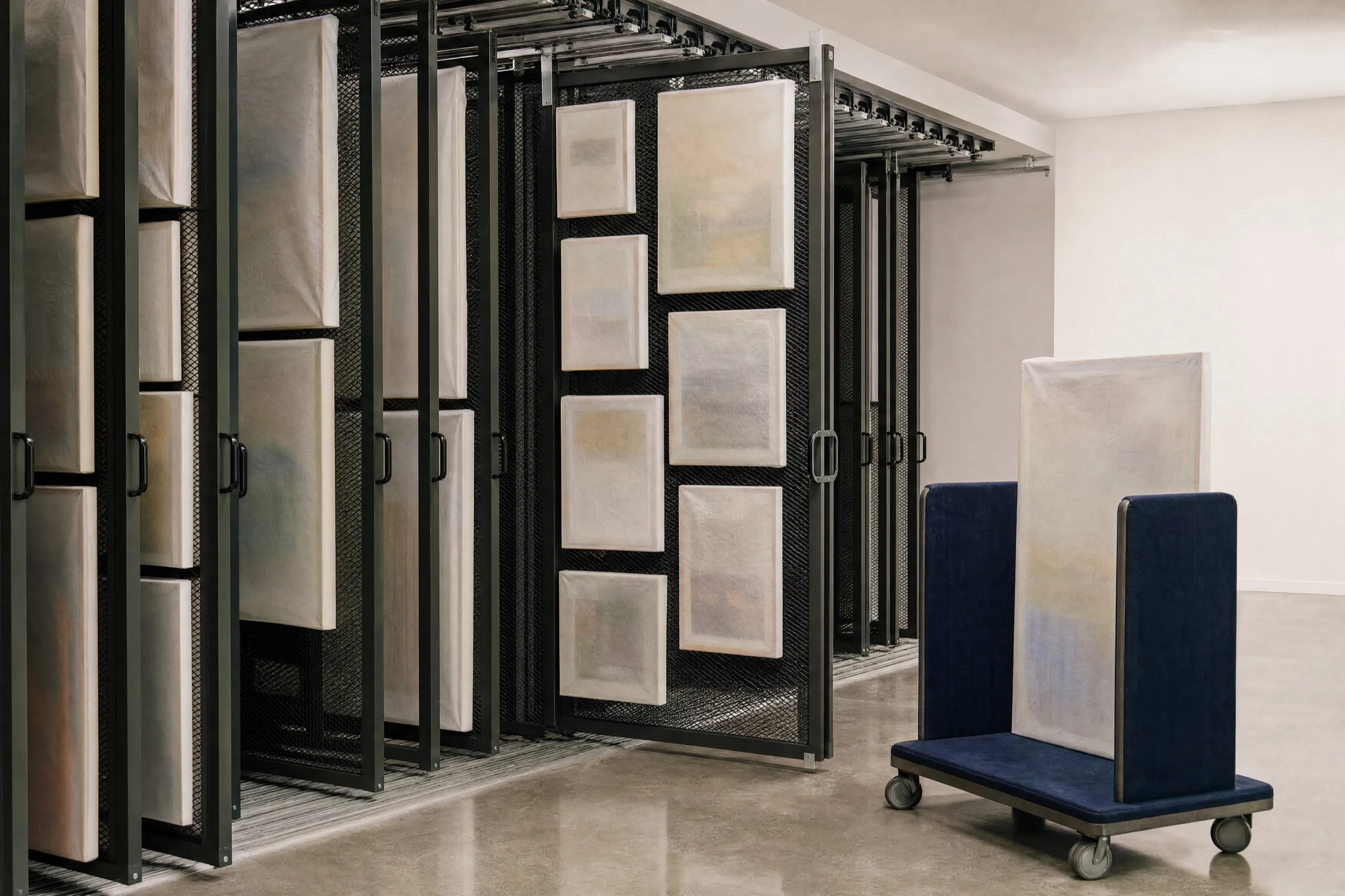
For the rest of the house, see moving and storage and white glove moving. For estates with staff, several residences or collections that span wine and art, see estate moving and fine art storage, which keeps paintings and sculpture with the same team.