Event logistics services for planners, producers and hosts
Every event has two halves. One is the part guests see: the tables, the florals, the lighting, the stage. The other is how all of it gets there, goes in on time, comes out cleanly and ends up somewhere safe until the next date. That second half is event logistics, and it is where event-day problems usually begin.
Elite Moving & Storage handles event and production moves across Southern California for event planners, producers, home stagers and private hosts. We bring the habits of a household mover to event work: a walkthrough and a written estimate before event day, a written load plan, protection laid down before anything is carried, and a schedule we own from load-in to strike.
We are part of the same family as Elite Events LA, which plans, styles and produces events. We work just as readily with independent planners, production companies, stagers and venues.
What event logistics covers: load-in, set and strike
For a physical event, the work breaks into a handful of distinct jobs, and a good plan treats each one on its own terms.
- Load-in and load-out. Scheduled around the venue’s dock hours, freight elevator windows and vendor call times, so deliveries arrive in the order the setup needs them rather than all at once.
- Event furniture delivery. Lounge furniture, tables, bars, rugs, decor, artwork and props delivered to the room they belong in, not left at the curb or on the dock.
- Set and strike. Furniture and decor placed to the planner’s floor plan before doors open, then taken down, packed and cleared after the last guest leaves, often late at night or first thing the next morning.
- Protection for the site. Floor runners, door jamb covers, wall protection and padded carts, whether the venue is a hotel ballroom or someone’s living room.
- Return and storage. Pieces that are not going back to a rental house go into storage, inventoried, until they are needed again.
The written plan lists every piece, where it comes from, where it goes and when. The planner gets one document to share with the venue and the other vendors.
Event movers for private estate events and weddings at home
A wedding, fundraiser or milestone party at home turns a residence into a venue for a few days. The house has to make room for rentals, catering and guests, then go back exactly as it was.
The work starts with a walkthrough, and each room that will change is photographed. Furniture that has to make way for tables, a dance floor or a bar is wrapped and moved out, either to a garage or guest house on the property or to storage off site. Floors, stair rails and door frames along every vendor route are covered before the first rental truck arrives. After the event, every piece comes back and is placed against the photographs, so the living room looks like the living room again, not an approximation of it. The crew uses only the entrances and rooms named in the plan, and the placement photographs stay in the move file.
This is the discipline of white glove moving applied to a home that is staying put. It suits homes across our service area, from Malibu and Pacific Palisades to Beverly Hills and Newport Beach, where long driveways, gated streets and limited parking set the pace of the day.
Corporate event logistics, activations and product launches
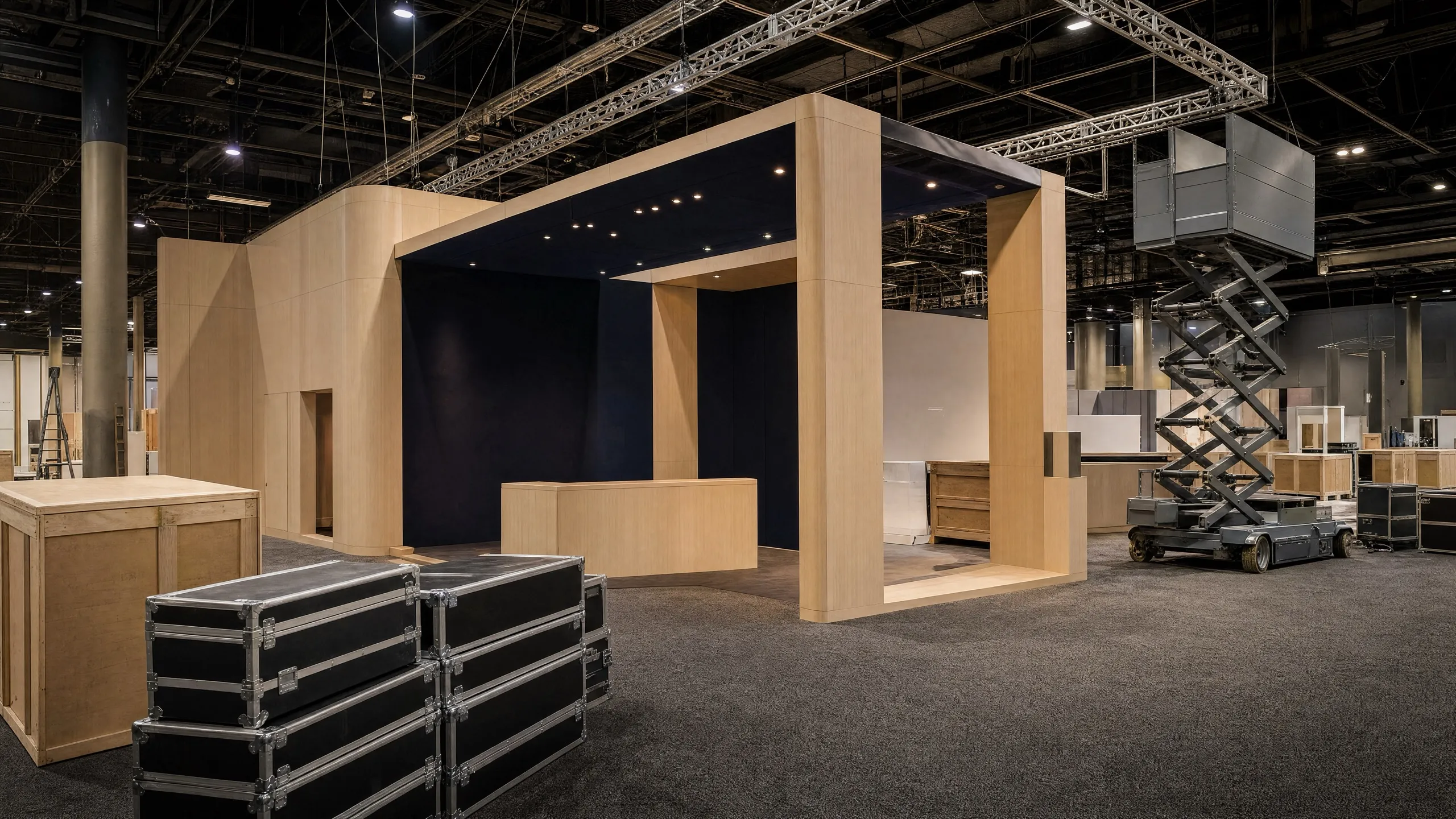
Corporate events run on fixed times and venue rules. A product launch on a Hollywood soundstage, an offsite at a Santa Monica hotel or a brand activation in a West Hollywood storefront each comes with its own access rules: a loading dock or curb schedule, a request for a certificate of insurance naming the venue, and usually a hard deadline to be out of the building.
We plan corporate event logistics around those constraints:
- Read the venue’s vendor rules and loading dock schedule before the plan is written.
- Stage furniture, displays, AV cases and signage in the order the production team needs them.
- Keep the venue and the planner updated from load-in to strike.
- Strike on schedule, so the venue’s next booking is not held up.
Many venues reserve certain work, such as rigging or electrical, for in-house or exclusive contractors, so the division of labor is settled before event day. For exhibits at convention centers, see trade show and exhibit logistics. For a planner’s view of timelines and vendor coordination, the corporate event logistics guide walks through the full sequence.
Home staging movers for luxury listings
Home stagers and listing agents need movers who work like part of their team. A staging install means pulling furniture, art and accessories from the stager’s inventory, delivering them to the listing, placing them to the stager’s plan, and doing it without a mark on a house that is about to be photographed and shown.
For home staging moves, the crew:
- Collects from the stager’s warehouse or storage and delivers on the install date.
- Protects floors, walls and stairways in the listing for the length of the install.
- Places furniture and art where the stager directs, then carries out every carton and pad.
- Returns for the destage when the home sells, and takes the inventory back to the stager or into storage.
Luxury listings add their own details: gated communities that register vendors in advance, owners who are still living in the home, and photography dates that do not move. Those go into the schedule at the start, not on the morning of the install.
Film, photo and production set moves
Productions need furniture, props and set pieces where they need them at call time, and gone at wrap. Production moves cover set dressing carried between prop houses, stages and locations, and the location side too: when a production shoots in a private home, the owner’s own furniture often has to come out for the shoot and go back afterward.
That second job is where a household mover helps most. Rooms are inventoried and photographed before anything moves, the owner’s pieces are stored for the length of the shoot, and the house is put back to the photographs at wrap. Trucks park where the production’s location permit allows. In the City of Los Angeles and unincorporated Los Angeles County, those film permits are issued through FilmLA. Some cities, Beverly Hills among them, issue their own.
Storing event inventory between events
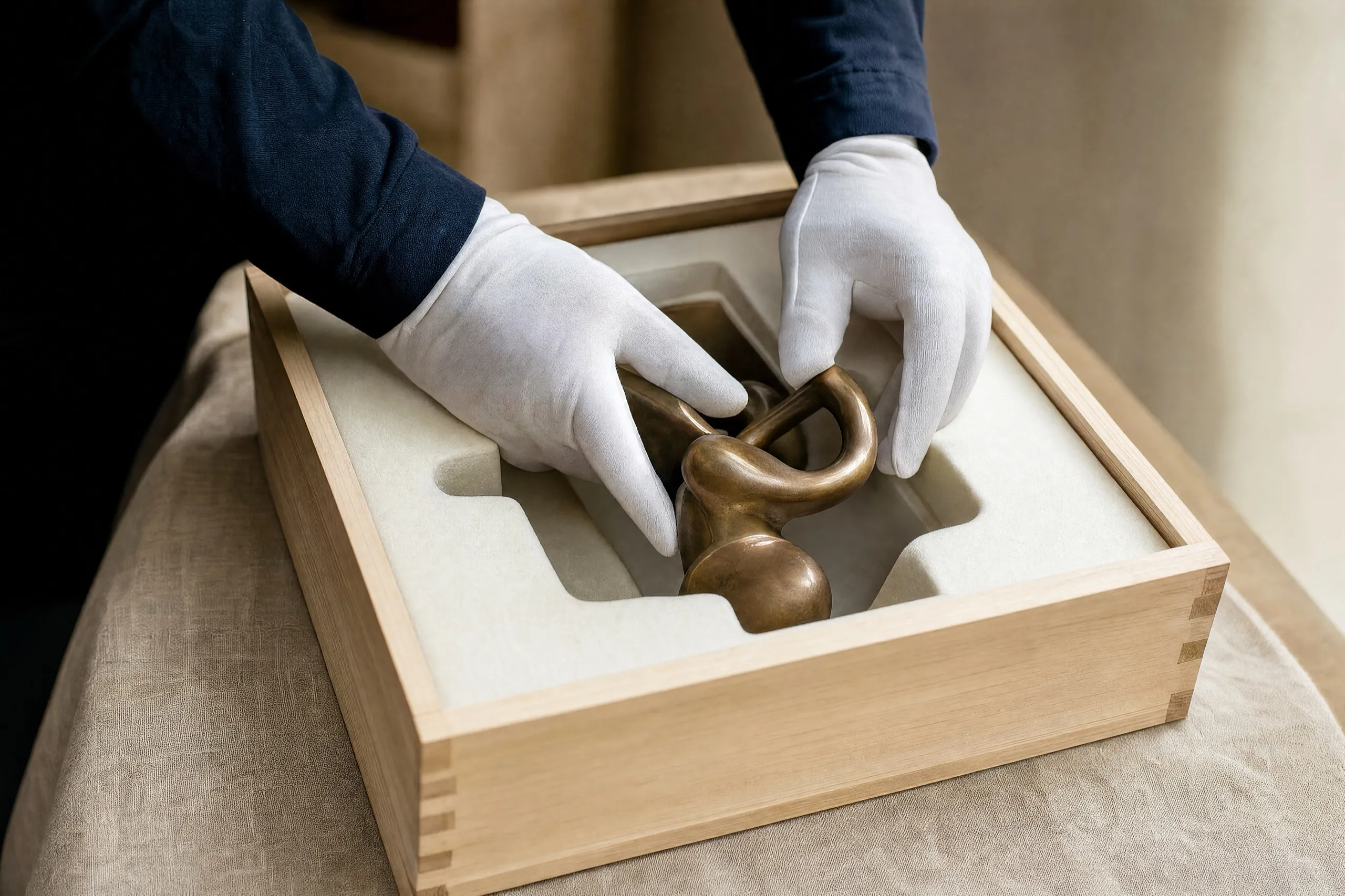
Planners, stagers and hosts build up inventory over time: signature furniture, custom bars, decor collections, staging pieces and seasonal installations. Keeping it in a garage or a rented unit means someone has to find it, load it and haul it for every event, and each trip is another chance for damage.
We store event inventory with an itemized record and deliver it when you schedule it. Each piece is logged as it comes in, so a planner can call up a specific set of items for the next event, have them delivered and set, then collected after the strike and stored again. See moving and storage for how storage works across our services.