Movers serving Glendale
Glendale sits at the southeastern end of the San Fernando Valley, where the Valley meets the Verdugo Mountains, and much of the city lies in the hills rather than on the Valley floor: up into the Verdugos, east into the San Rafael Hills and north into the Crescenta Valley. It is a city of its own, with its own parking rules, and a move here can mean a canyon home, a 1920s house in a historic district or a condominium off Brand Boulevard. No two of those moves run the same way, and Elite Moving & Storage plans them accordingly.
Our walkthrough, in person or by video, begins at the curb. If the truck will need it, we work out when the city’s Temporary No Parking signs must go up, then look at how the street bends and how far it is to the front door. From that visit we write a room-by-room inventory, flag anything that should travel in a crate, and price the white glove move in a written estimate. For the cities and Los Angeles neighborhoods next door, see our page on movers across the San Fernando Valley.
Chevy Chase Canyon and the eastern canyons
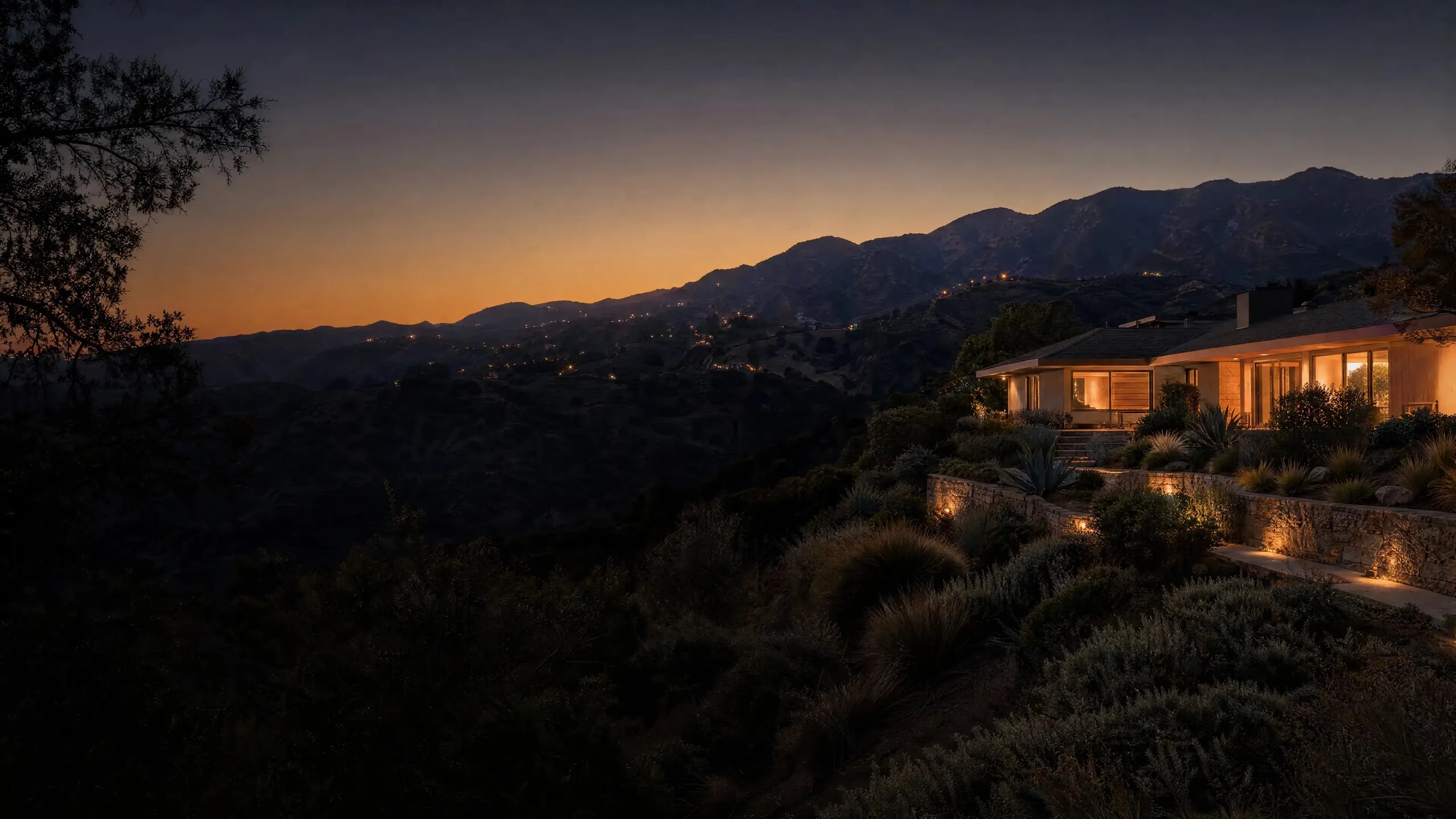
Along Glendale’s eastern edge, the San Rafael Hills rise toward La Cañada Flintridge and Pasadena, and canyon neighborhoods run up into them. Chevy Chase Canyon is the largest canyon in the range. It took the name Chevy Chase Estates in 1926, its homeowners association was formed in 1937, and the Chevy Chase Country Club sits in the canyon.
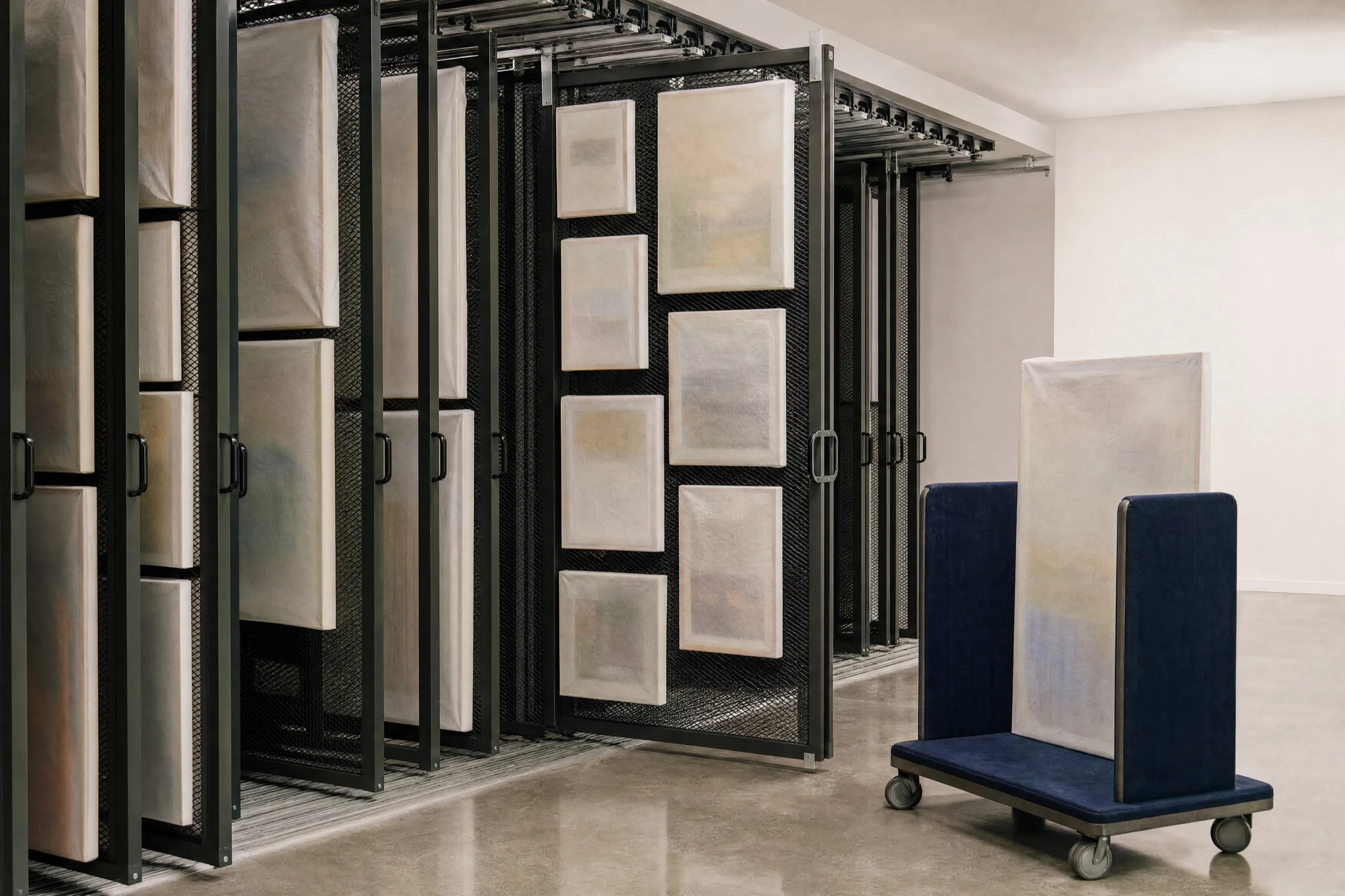
The streets up these canyons wind and climb, lots follow the slope, and there is little room for a large truck to stand or turn. The route and the drive are checked at the walkthrough, and if a full-size truck cannot get near the house, loads go up in a smaller vehicle from a wider street below. Canyon homes often hold art and high-end collections, and pieces that need specialist handling can be planned through fine art moving. Several buildings on one property, such as a main house and a guest house, are planned together as an estate move. For homes over the ridge, see movers in Pasadena.
Rossmoyne, Cumberland Heights and the historic districts
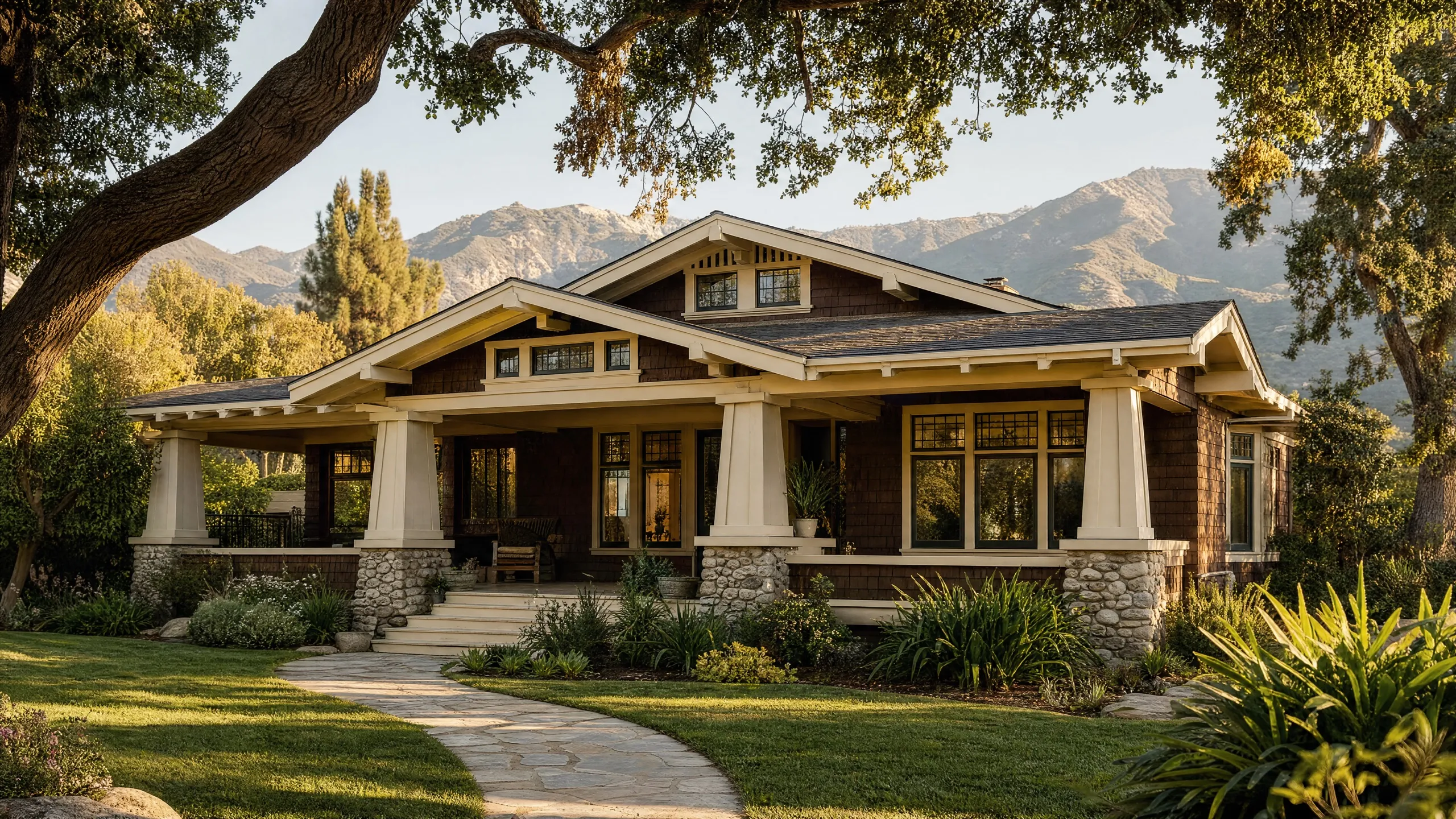
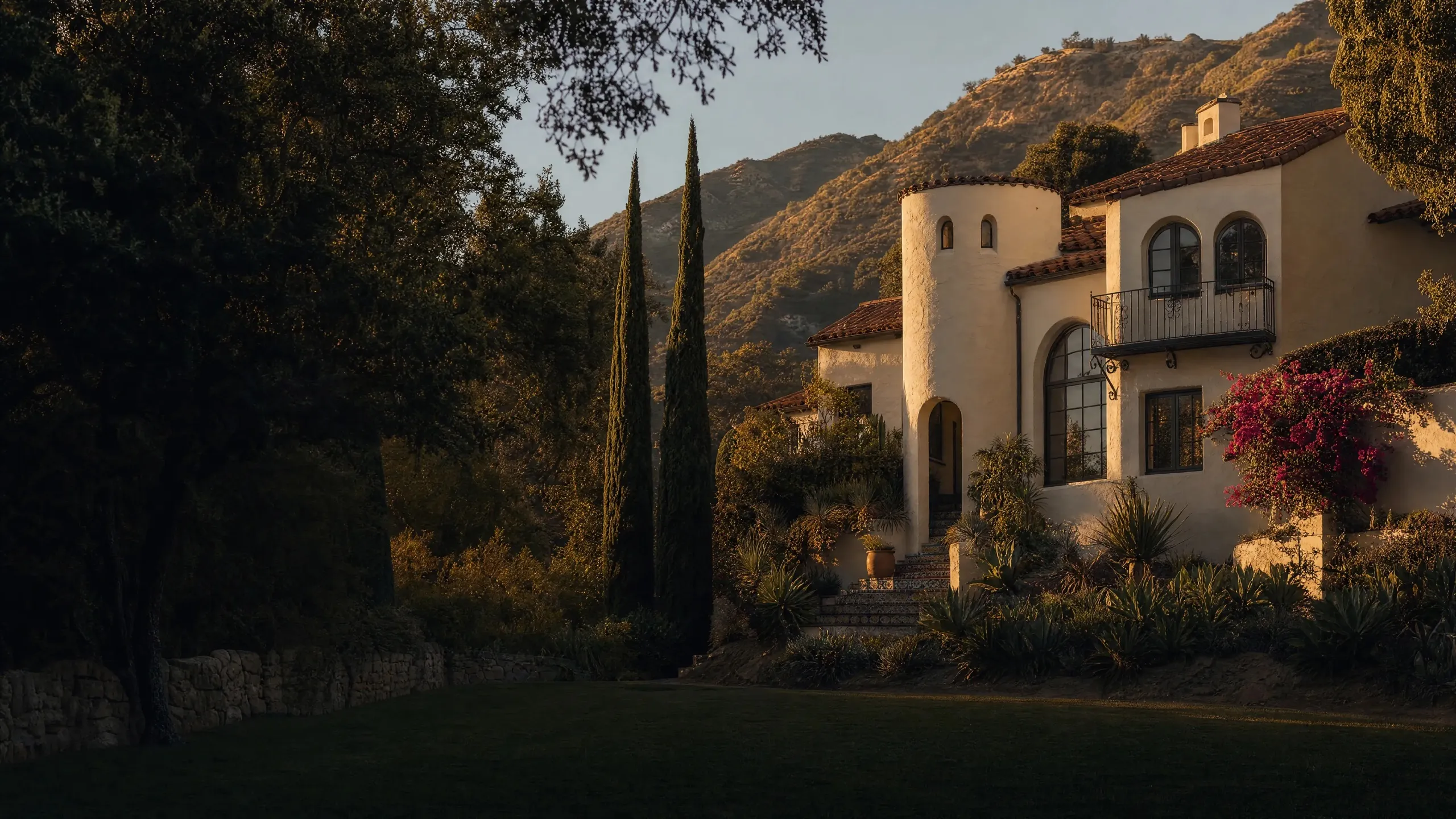
Glendale has nine designated historic districts. Rossmoyne, north of downtown toward the Verdugo foothills, is the largest: 503 homes on gently curving streets, developed by the Haddock-Nibley Company from 1923 and largely built out by 1950, with Spanish Colonial Revival, Tudor Revival and French-inspired designs. In the Cumberland Heights neighborhood, the Ard Eevin Highlands district holds 87 homes, almost all built between the 1920s and the 1940s, and North and South Cumberland Heights are districts of their own.
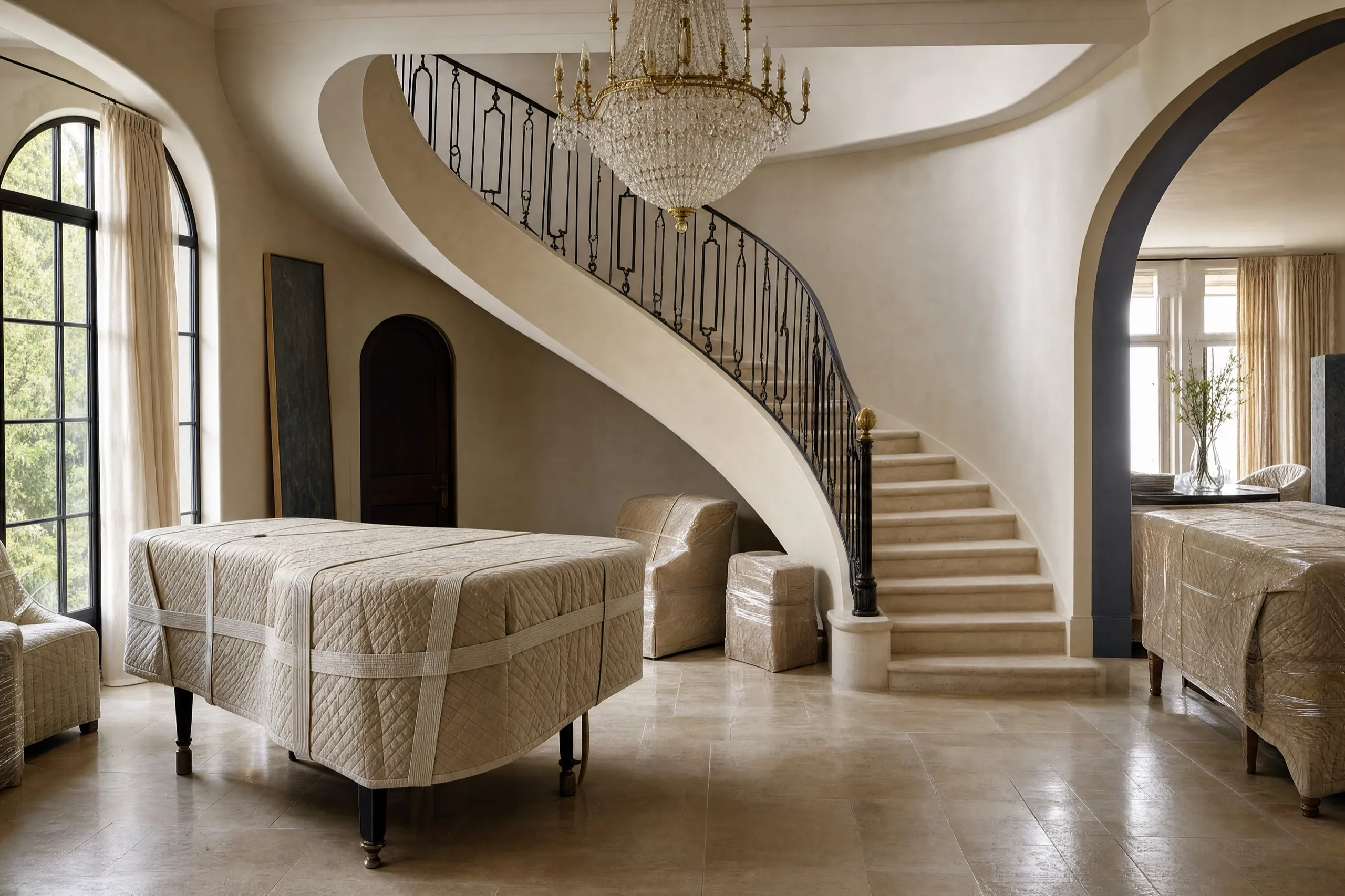
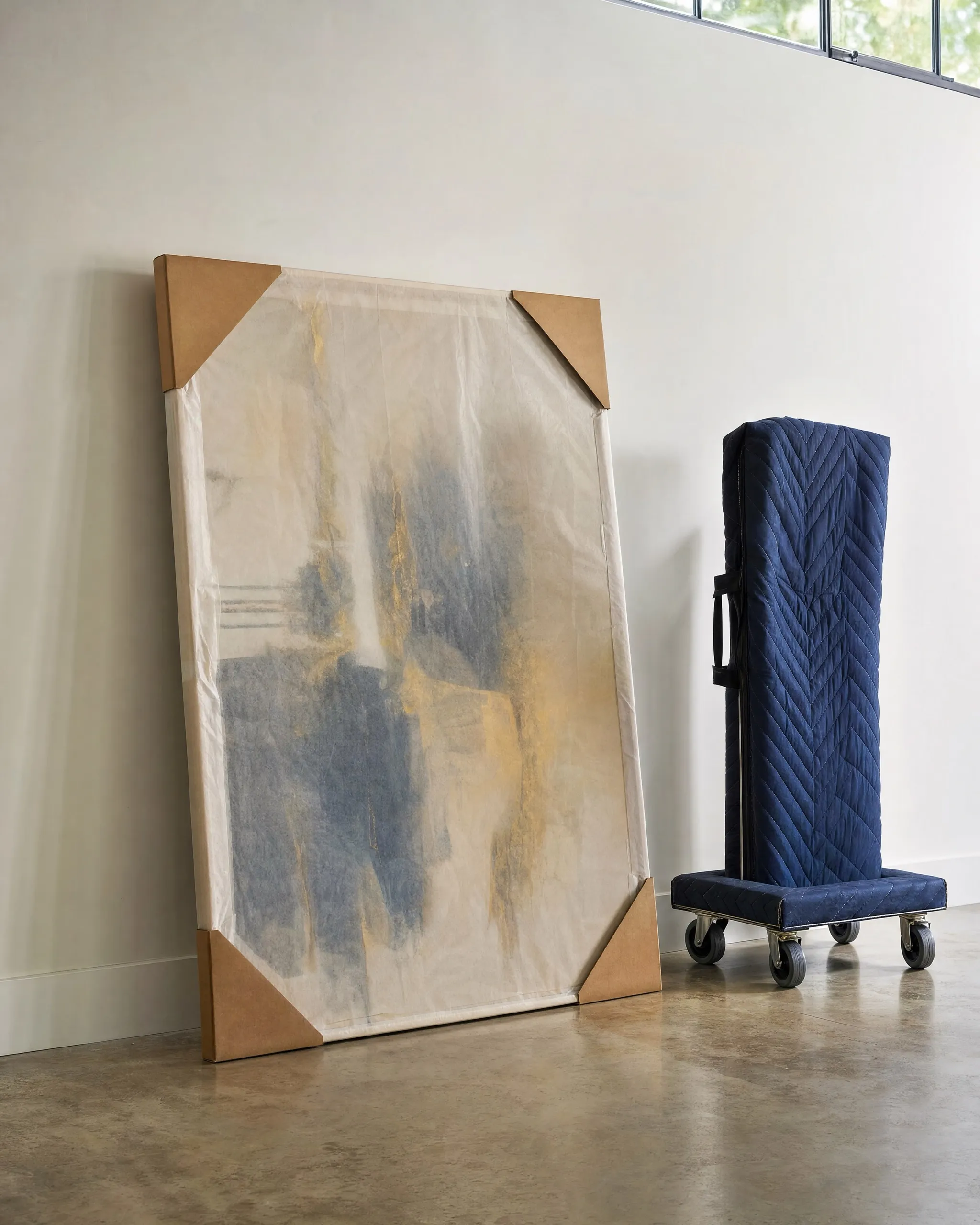
Houses of this age reward a slower crew. Original hardwood, plaster walls, tile and ironwork cannot be replaced like for like, and stairways and doorways were sized for another era’s furniture. Before the first piece moves, floors, stair rails and door casings are covered; turns are measured at the walkthrough, and anything too big for a turn is taken apart instead of forced. Paintings, mirrors and stone tops travel in crates built to size where a piece needs it.
Verdugo Woodlands, Oakmont and the Crescenta Valley
In north Glendale, Verdugo Woodlands fills a valley between the Verdugo Mountains and the San Rafael Hills, west of Verdugo Road and south of the Oakmont Country Club. The Verdugo Woodlands West association area alone holds more than 1,100 single-family homes, nearly all built before the 1970s, under coast live oaks, jacarandas and sycamores, along with the Catalina Verdugo Adobe from around 1828. Oakmont surrounds the Oakmont Country Club, with hillside homes in the Verdugos above the course.
Farther north, the Crescenta Valley is split. The Montrose shopping district on Honolulu Avenue is in Glendale, while La Crescenta-Montrose, which Glendale borders on the south and west, is unincorporated Los Angeles County. Which side of the line a home is on decides whose street rules apply, so we check it first. These foothill streets also sit in or near fire hazard zones, and the La Tuna Fire of September 2017 put about 250 Glendale homes under evacuation orders. Owners selling or repairing a hillside house can keep what the next place cannot take in storage between homes until they need it.
Downtown Glendale: Brand Boulevard towers and condos
Downtown Glendale is centered on Brand Boulevard. Class A office towers line North Brand, including one a block north of the 134. The Americana at Brand, which opened in 2008, includes 100 condominiums and 242 apartments, and by 2014 thousands of luxury apartments were being built downtown.
In these buildings, management decides how a move runs: which freight elevator and for how long, when the loading dock is free, what hours movers may work and what certificate it wants on file. We get all of it in writing before a date is set. Office moves are labeled by department and desk against the new floor plan and usually run on an evening or a weekend. See office and commercial moving.
Freeways, the Rancho and moving next door
Glendale is served by four freeways: the 2, the 134, the 210 and the 5. We schedule loaded runs around the rush on all four, and a move to or from Burbank, Pasadena or the Valley floor is usually a short drive. On the city’s western edge sits part of the Rancho, the equestrian neighborhood beside Griffith Park that Glendale shares with Burbank, where a truck is parked clear of riders and a crew moves quietly around horses. For homes on the Burbank side, see movers in Burbank.